As much as I enjoy Punxsutawney Phil’s cute, cuddly weather predictions on Groundhog Day, I look to the lovely and even legendary daffodil for an accurate forecast that spring has arrived.
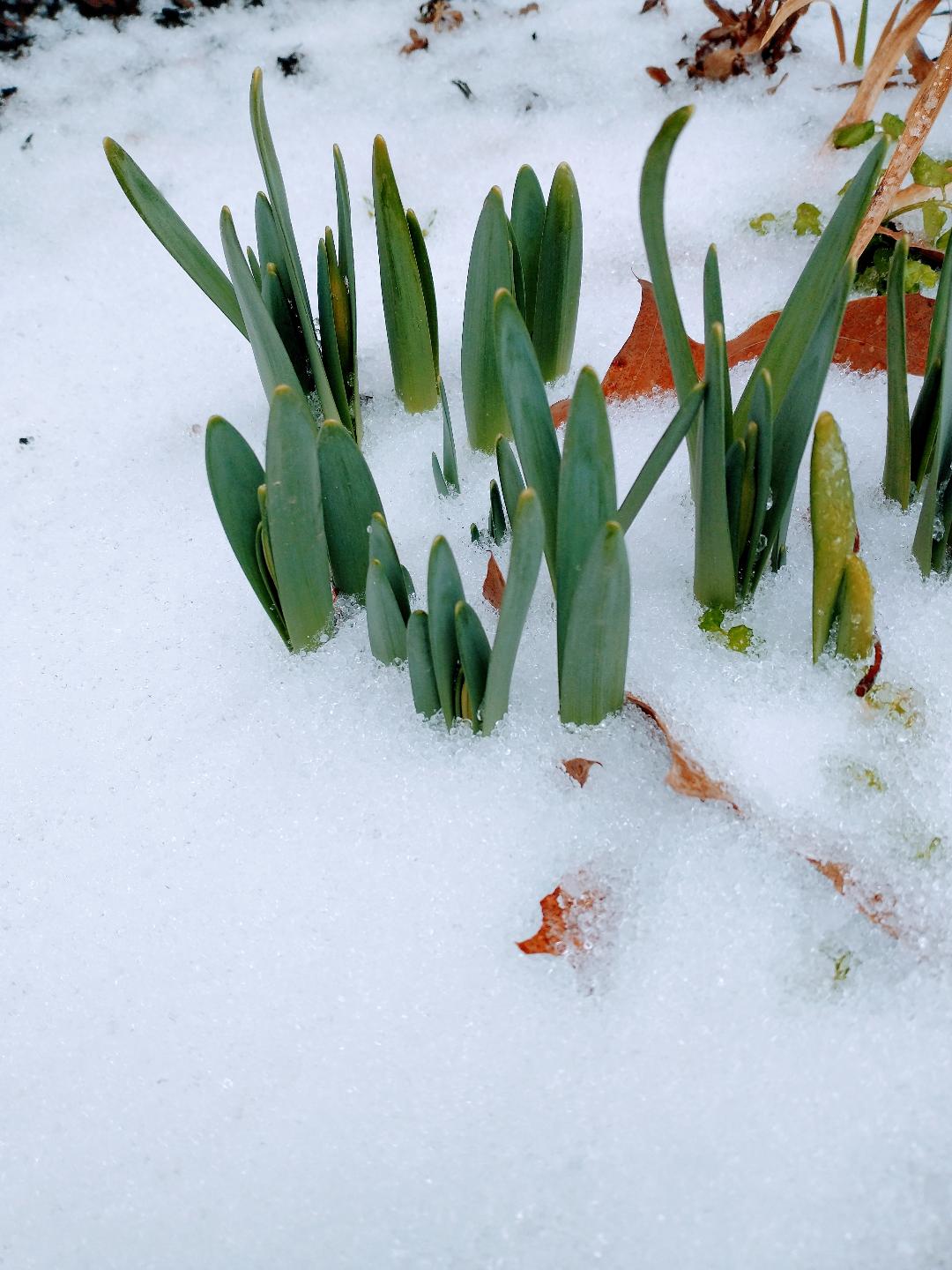
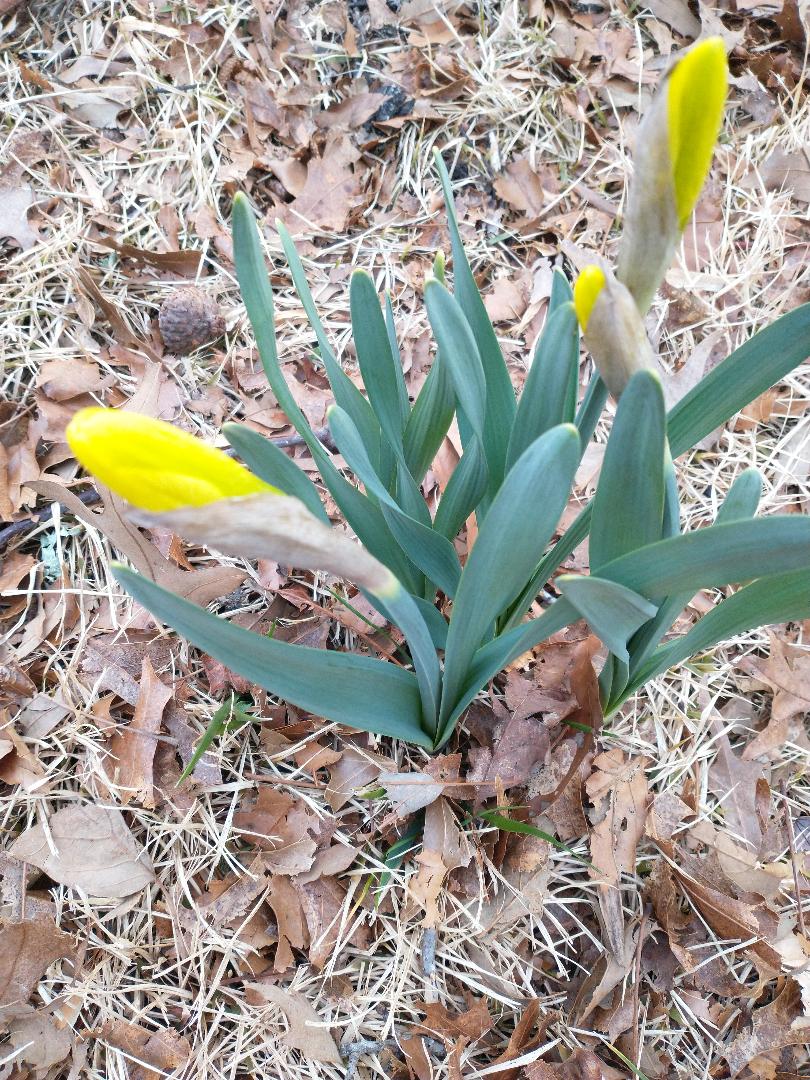

Legendary? Oh yes. I recently read that the daffodil (aka Narcissus) derives its name from Greek mythology. Narcissus, son of Cephissus the river god, fell in love with his own reflection! Guess what happened to him?
Daffodils, both the flower and the legends surrounding them, can be found all over the world, from China to the Middle East to France. They are also the national flower of Wales.
Lovely? I think so! These perennial beauties are as bright as the sunshine and shaped like bells or trumpets. They bring instant cheer to the yard or flower bed.
Perhaps the loveliest thing about daffodils is how simple they are.
Though they do best in an area with well-drained soil, they are generally hardy. Plant bulbs in autumn and then enjoy blossoms in the spring and into the summer. When the blossoms die, snip them off and leave the green stems and leaves. The foliage continues to give strength to the bulb. Once the foliage turns yellow or brown, trim those back. Easy, right?
Another perk is – if you live in an area where deer think your yard is an all-you-can-eat buffet – deer will leave your daffodils alone. Hooray!
However, the deer leave the daffodils alone because they know they are poisonous, especially if eaten in all-you-can-eat buffet quantities! Seriously, they can be dangerous if ingested by humans or animals.
They can also cause some contact dermatitis. So, while working with your daffodils (taking cuttings for an arrangement, trimming blossoms or foliage, etc.) wear a pair of gardening gloves.
 Laurie's Leaves