Featured

Berry Sweet Crop

On a casual stroll to the garden one evening, I noticed that my strawberry plants had a sweet surprise for me! So many berries! Each plant was loaded with berries and thus far, untouched by birds, slugs, or other interested parties.

The next morning, I harvested my first crop. Two days later I harvested again. Three days later, my son helped me make our first batch of strawberry preserves.
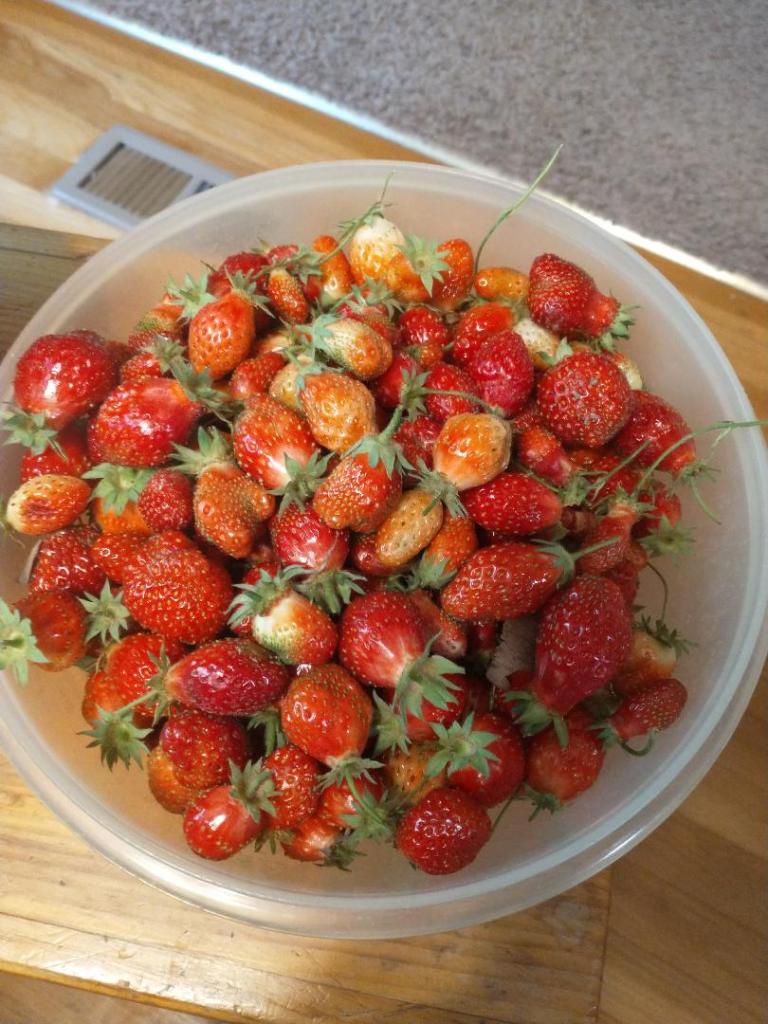
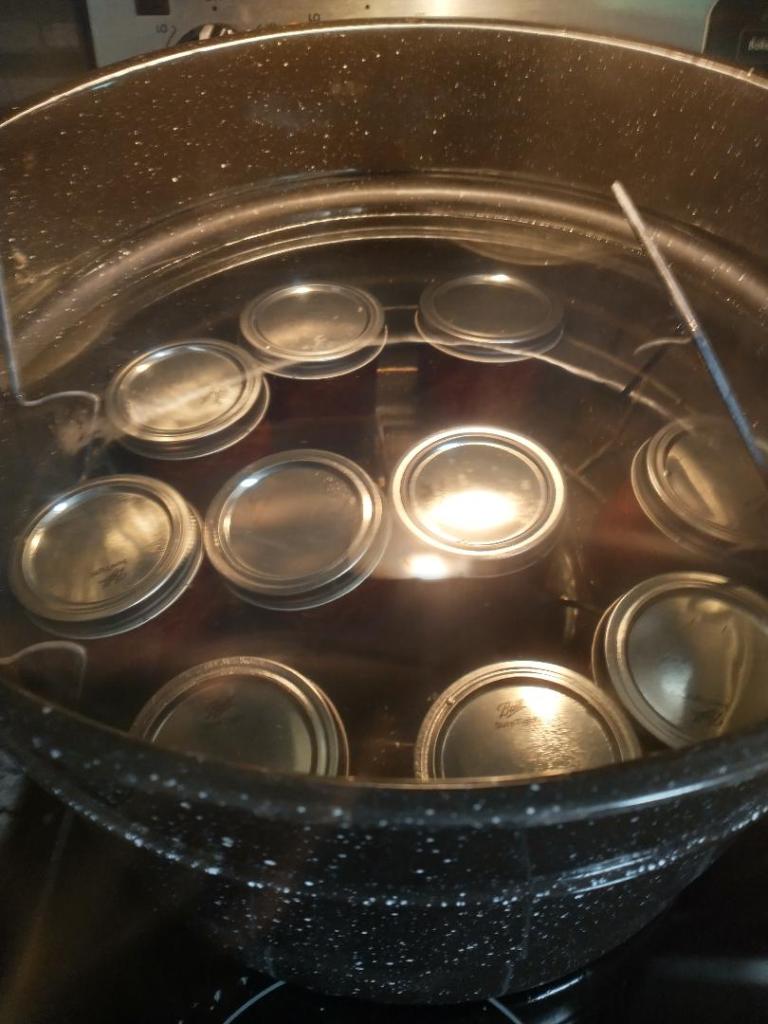
Strawberry preserves are easy to process and are a wonderful gift to yourself or someone else that can be enjoyed any time of year. I just follow the recipe inside a package of pectin (three ingredients: sugar, strawberries, and pectin), hot bath, and cool. There are some easy jelly and freezer jam recipes in the pectin box you can also try.

Though our strawberry plants seemed to have become prolific overnight, there was some work and patience involved. Strawberries are fairly easy to grow. However, they will need well-drained soil and plenty of sun.

The first year after you plant, you’ll get very little or no harvest. Last year we transplanted some runners off our original everbearing variety to our new garden area, so we had very little yield. This year, as you can see, the plants are well established and producing. Everbearing varieties will give you an abundant crop in the spring, a smaller summer crop, and then a final fall crop before they go dormant for the winter. 

I had planned to get pine straw from my neighbor to put around my plants this spring. I have not done this yet, but still have plans to do that soon. Pine straw or other mulches can be used to keep weeds down and the soil moist (but not too moist) in your strawberry patch.

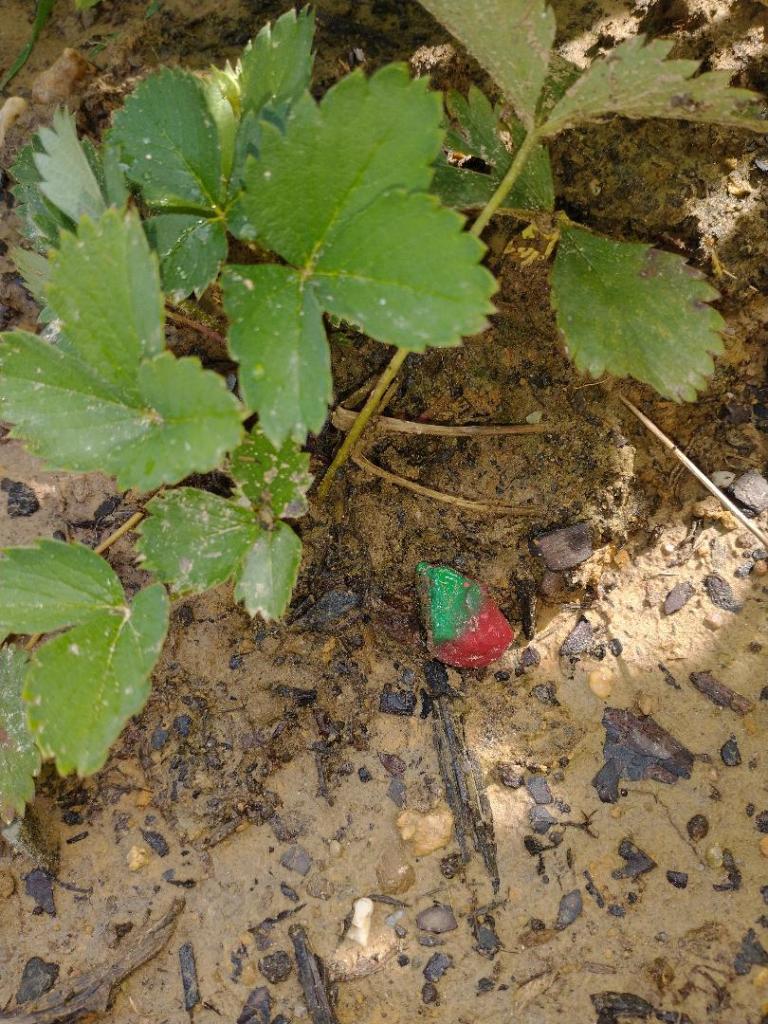
I also use strawberry rocks to keep critters, especially birds confused. I simply get some rocks out of the yard, wash them, and spray paint them to generally look like strawberries. If you have children at home, it might be a fun family art project. You can get as artistic and detailed as you’d like. Put a clear coat sealer on the painted rocks so they will weather well in the garden.

I’ve been doing strawberry rocks for many years and they really do work! Place the painted rocks around your plants. Birds that try your strawberry rocks will find them to be a real pain in the beak and be reluctant to return to your strawberry patch.
Featured

Hiatus, Honeysuckle, and Hosta

Though it seems I have been on a personal hiatus, my garden and flowers have been calling me outdoors and back to my blog.

The spring blooms are always a visual delight. However, it was the delicious fragrance of honeysuckle that finally rejuvenated my garden soul.

Honeysuckle is a hearty choice for a yard or flower garden. It grows in many climates and comes in many varieties. In addition to its signature scent, I love honeysuckle for its easy care and ability to attract pollinators.

Honeysuckles love the sun and are generally not picky about their soil.

Honeysuckles can be grown as groundcovers, in containers, or on a fence or trellis. My only concern with honeysuckle is that it is so hearty it can overwhelm the plants or shrubs around it, so don’t be afraid to prune, prune, prune in the fall when the plant goes dormant.

An equally hearty plant is hosta. Where honeysuckles love the sun, hostas love the shade or partial shade and will likely thrive in that shady spot in your yard where other plants cannot.

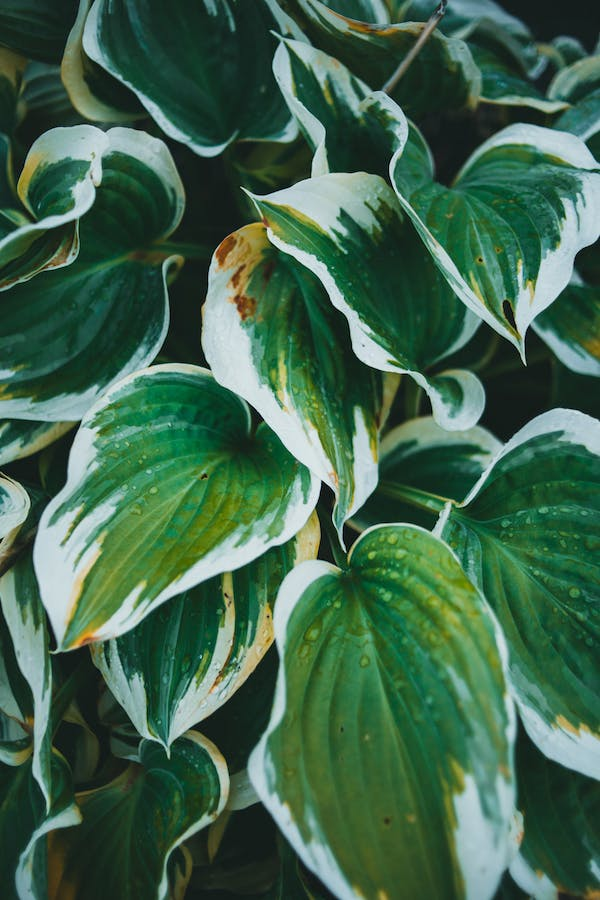
Hosta’s calling card is its tropical-like foliage. It fills shady spaces beautifully in multiple shades of green or variegated with yellow or white.

The drawback to hosta plants is deer who can be voracious eaters. I once had a family of deer invite themselves over one evening for an all-you-can-eat hosta buffet. In one night they devoured every hosta in my flower beds down to the soil.

Jackie Rhoades – in an article in GardeningKnowHow.com – recommends planting daffodils around your hostas to keep the deer away.

For more information about honeysuckle and hosta plants, check out GardeningKnowHow.com or visit your local plant nursery.

Featured

Be Beautiful

How do you define beauty? What is beautiful to you?  

Beauty is what we find pleasing to our senses or our heart. Beauty can be many different things and it is certainly subjective and ever-changing. Beauty may simultaneously calm us down and make our spirits soar. Beauty often makes us pause to take in the view, the sound, the smell, and so on.

Years ago, I took a trip to Italy with my husband. There were amazing landscapes, art, architecture, music, flavors, smells, and people. However, I was surprised to find the beauty I found in doors. There were giant wooden doors with ornate knockers and ancient hinges, colorful doors opening into stately courtyards, and garden gates growing over with vines and flowers.

There was a beauty in those doors that whispered to me, telling me stories of the centuries they’d seen.

If you are looking for it, you can find beauty even in the simple everyday world around you. Here are a few beautiful things that recently caused me to pause.

I also hope you find beauty in your own reflection.

Have you ever seen a baby with a mirror? They are fascinated by their image. They smile and coo at themselves. It pleases them to see their reflection.

I gave this mirror to my five-year-old granddaughter for Christmas. She was thrilled! I hope she will always see the beauty in herself.

When you look in the mirror, do you like what you see? I hope you do! You don’t need a magic mirror to tell you that you are beautiful or make you feel good. Find a mirror, look at yourself, and smile – at unique, beautiful you! Every wrinkle, scar, freckle, or skin tone is just a small part of who you are and the journey you are on. I believe there is something beautiful in all of us. So, look into your eyes and see all the beauty inside of you too.

You are beautiful, you can find beauty all around you, and you can make the world a more beautiful place in simple but profound ways.

So, go – be beautiful!

Featured

Save the Seeds

Winter is that season when outdoor plants and gardens are dormant, conserving their energy for spring. While the plants are on pause, I like to pull out a notebook and do some spring planning. 

I ask myself:

What did I enjoy from last year’s garden?

What went well?

What do I want to plant again?

What do I want to do differently?

After visualizing next year’s garden, I do a little research online or in the library on anything new I want to plant and alternative methods of gardening. 

I also consider:

Will I be starting seeds indoors

When should I plant outdoors?

Many of my garden mentors relied on the Old Farmer’s Almanac to plan their outdoor planting. The almanac is still a great source of gardening knowledge. However, the internet can also be a ready source of information on gardening or I might stop by a local nursery or ask a neighbor or friend who is an experienced gardener in the area. 

Yes, there is a lot to consider, but no need to worry, there is plenty of wintertime to plan and prepare.

As part of my spring preparations, I have been saving seeds for the past several years for the next season. 

When I have a hardy crop of a particular vegetable or flower that I would like to have in the garden again next year, I save the seeds

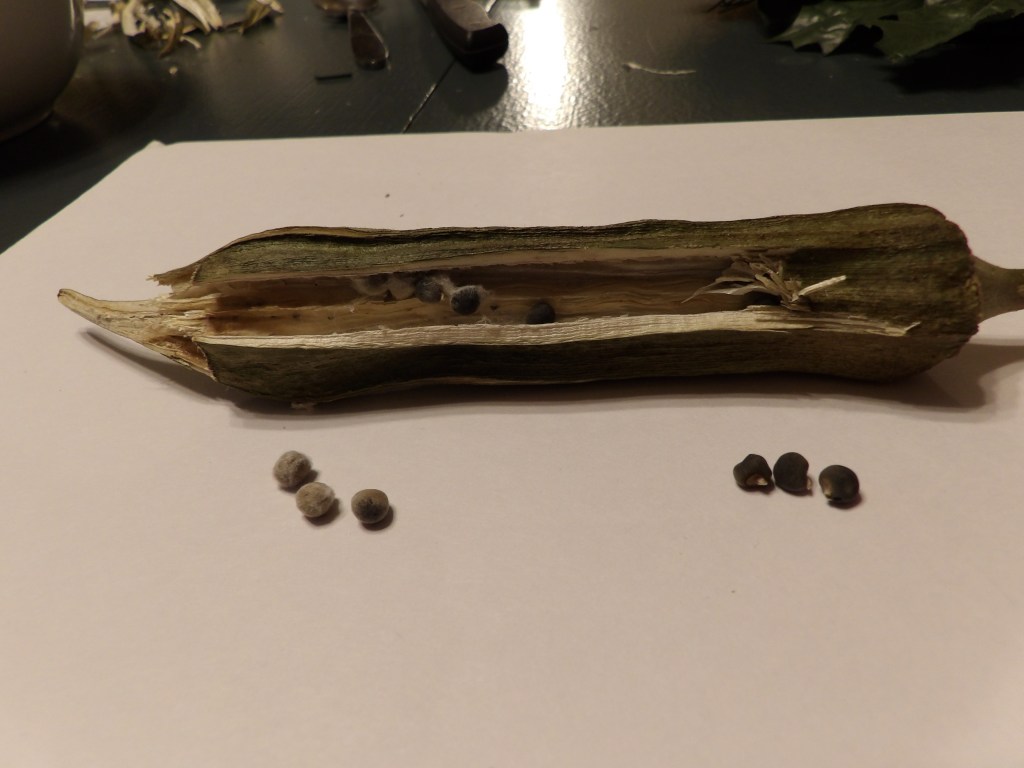
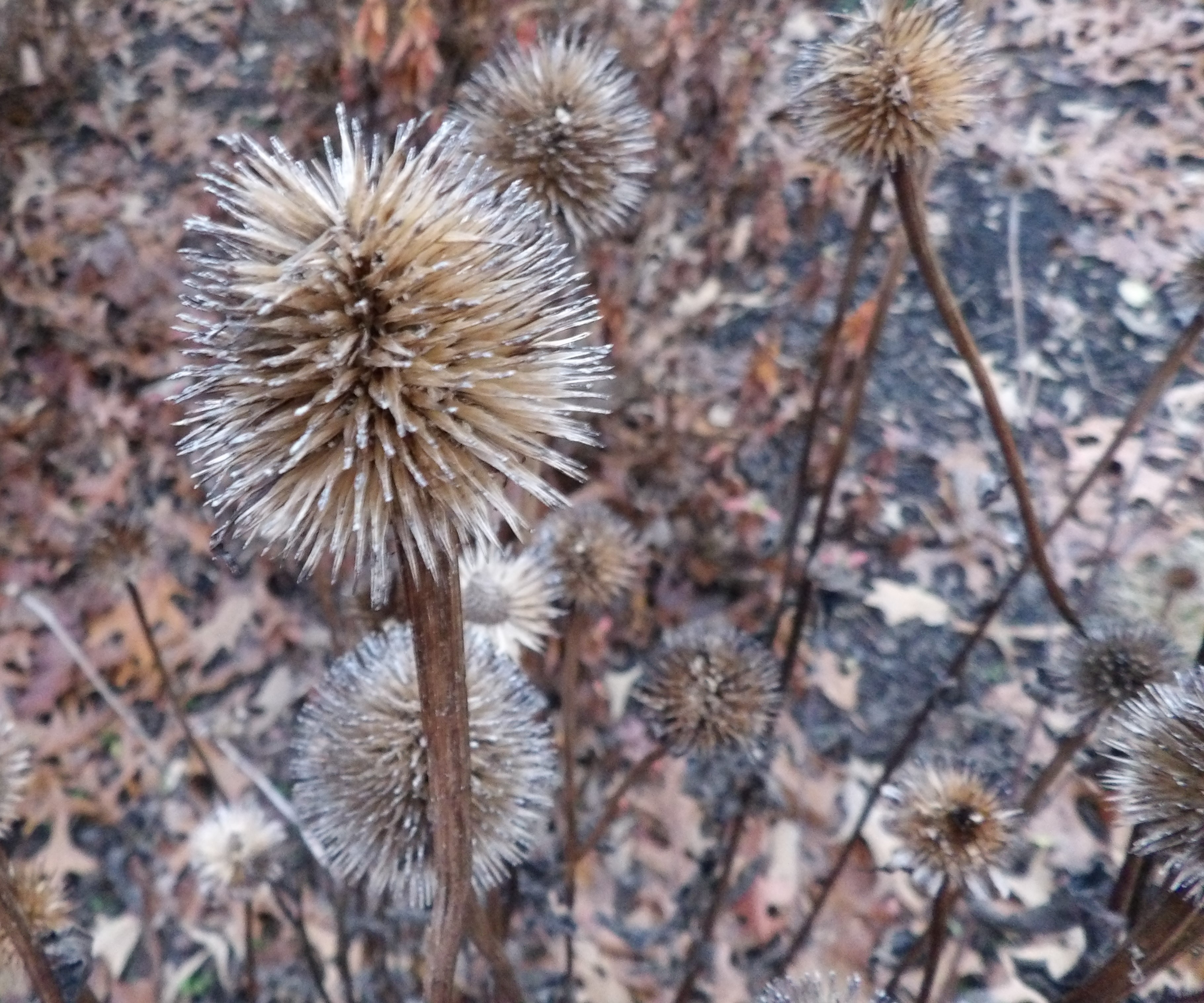
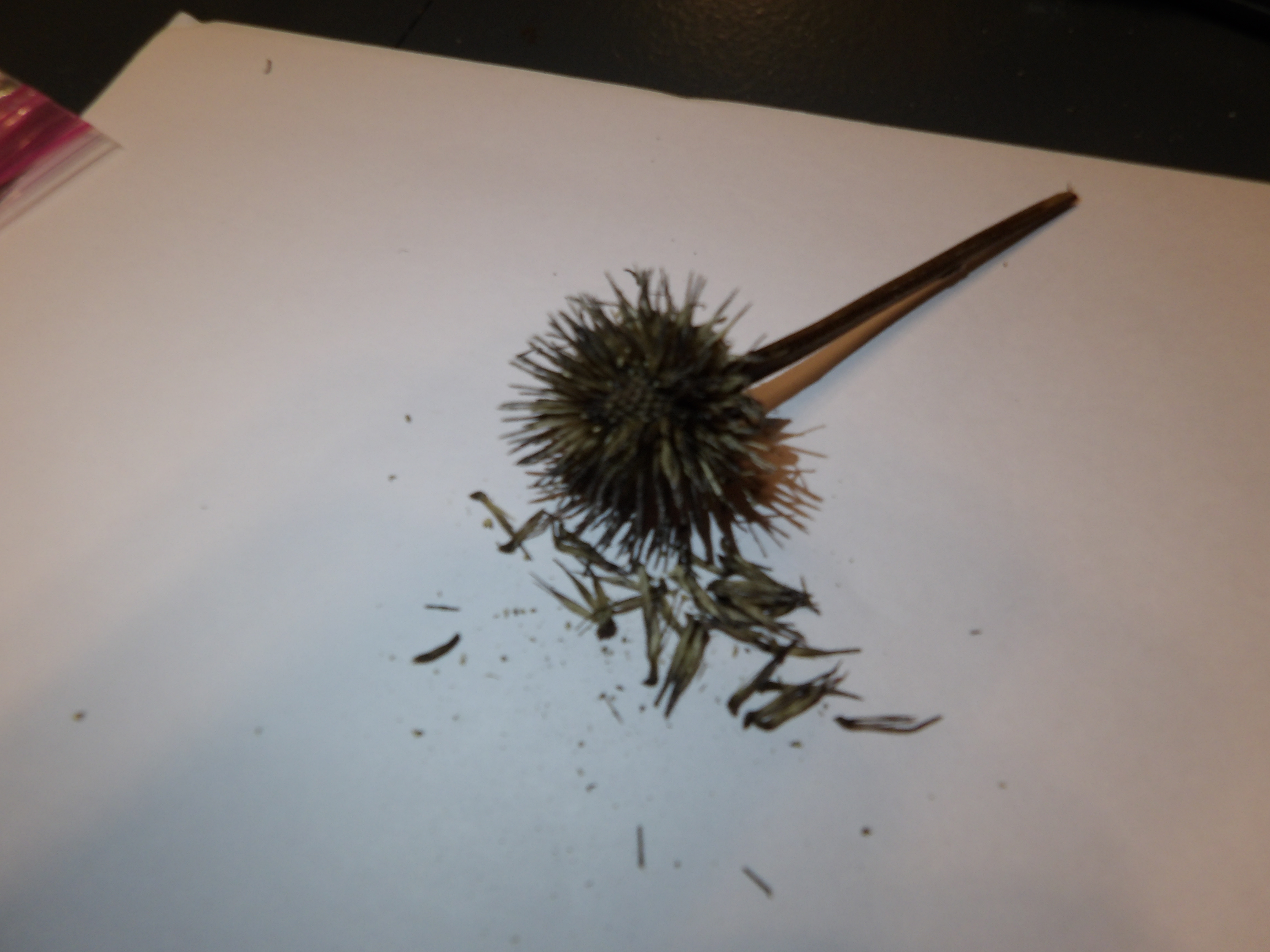
I let some of those favorite flowers or vegetables go to seed. This year I saved okra, cone flowers, and black-eyed susans. 

The okra, I simply dried on a paper towel in a sunny location. You can leave the seeds in the pod or remove them from the dried pods. (Note: There will be many seeds in each pod. I keep only the healthiest-looking seeds. As in the picture on the right, I will keep the seeds on the right and discard those on the left.)

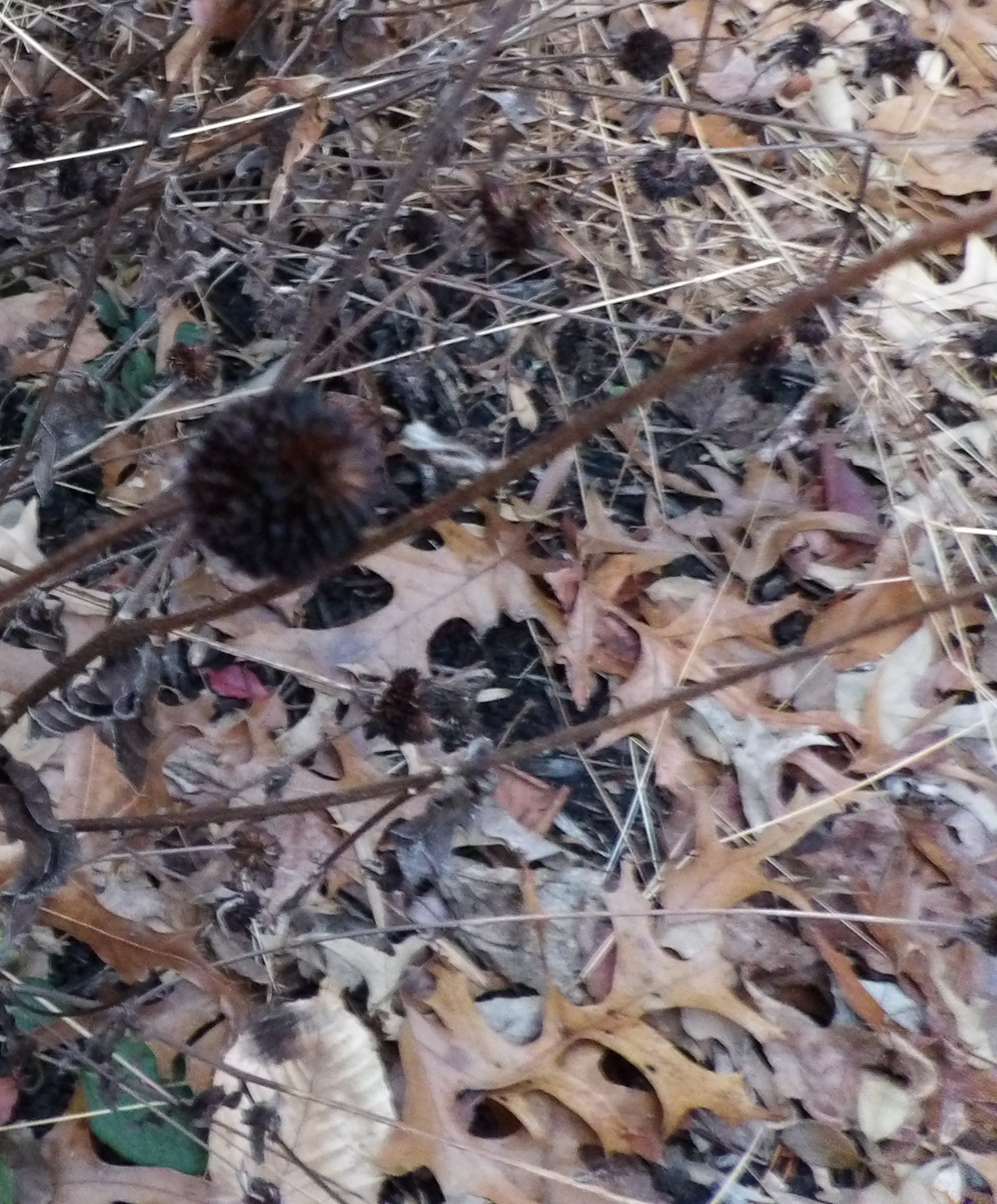
After my cone flowers and black-eyed susans go to seed, I gather some to spread to other areas and then leave the rest to drop their seeds in place.

Finally, I store seeds in jars or seal them in plastic bags, and keep them in a cool, dry place.

I am always eager to learn more about saving seeds, planting seeds, or trying new seed varieties. 

You can learn more about gardening, saving seeds, or even order seeds from some seed experts like Floret, Uprising Seeds, or Eden Brothers.

Featured

A Wise Gift

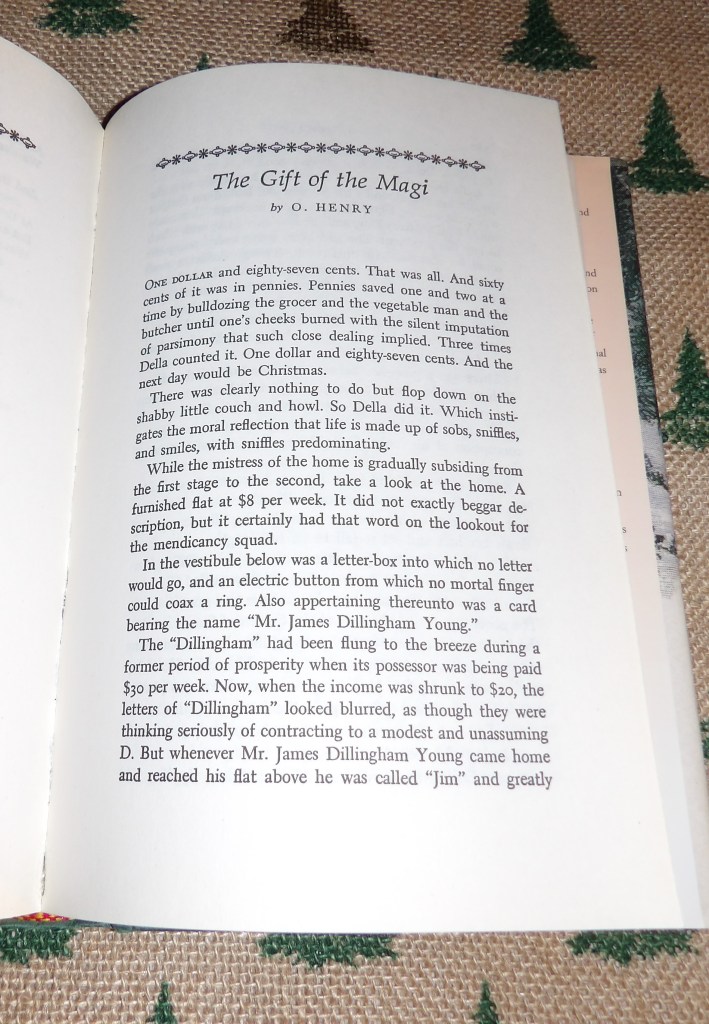
As the winter holiday season approaches, I enjoy pulling out a compilation of my favorite holiday stories. Among my favorites is O. Henry’s Gift of the Magi.

O. Henry is the pen name for American writer, William Sydney Porter. Porter wrote poetry, non-fiction, and a novel, but is best known for his short stories. I suppose you could say O. Henry had a “gift” for short stories. In fact, the O. Henry Award is given in his honor annually for exceptional work in the short story genre.

I do hope you will take some time to get acquainted or reacquainted with this beautiful story about giving gifts. Especially if trying to find the perfect gift for someone you love causes you any anxiety, I recommend reading this classic.

Besides, giving is actually good for you (Really, it is! Check out this article on the health benefits of giving).

“But in a last word to the wise of these days let it be said that of all who give gifts these two were the wisest. Of all who give and receive gifts, such as they are wisest.” (O. Henry, Gift of the Magi)

Featured

Winter Revival: Part 2

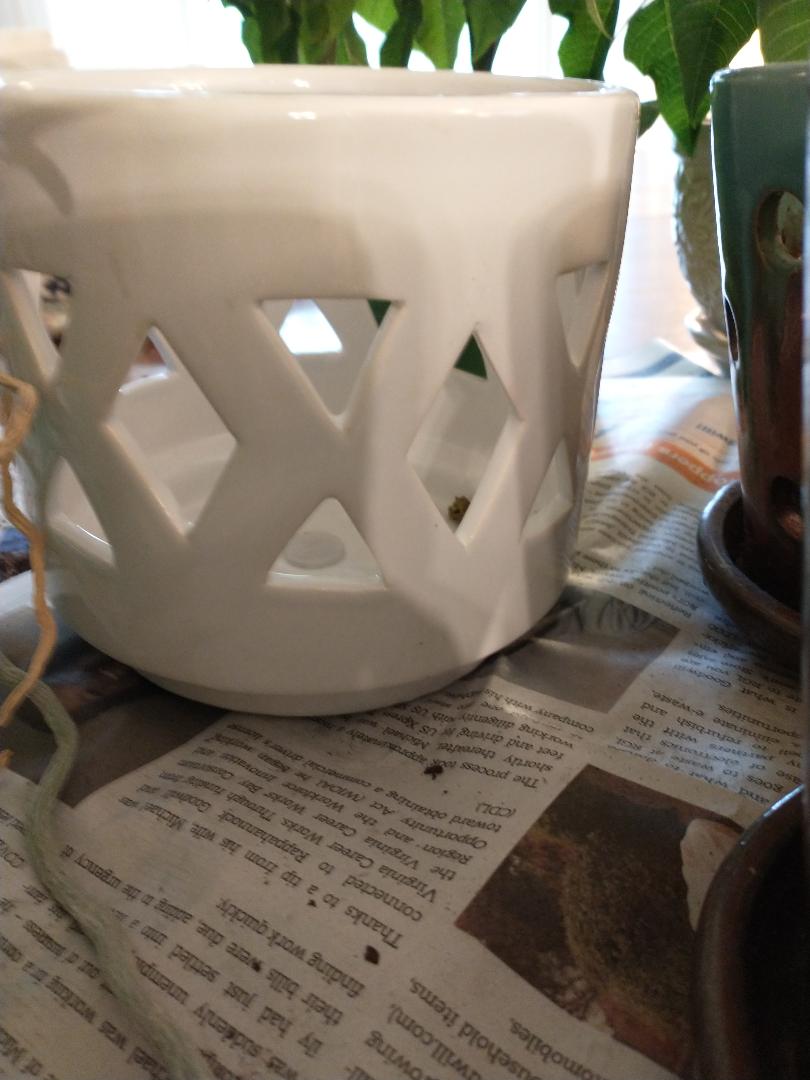
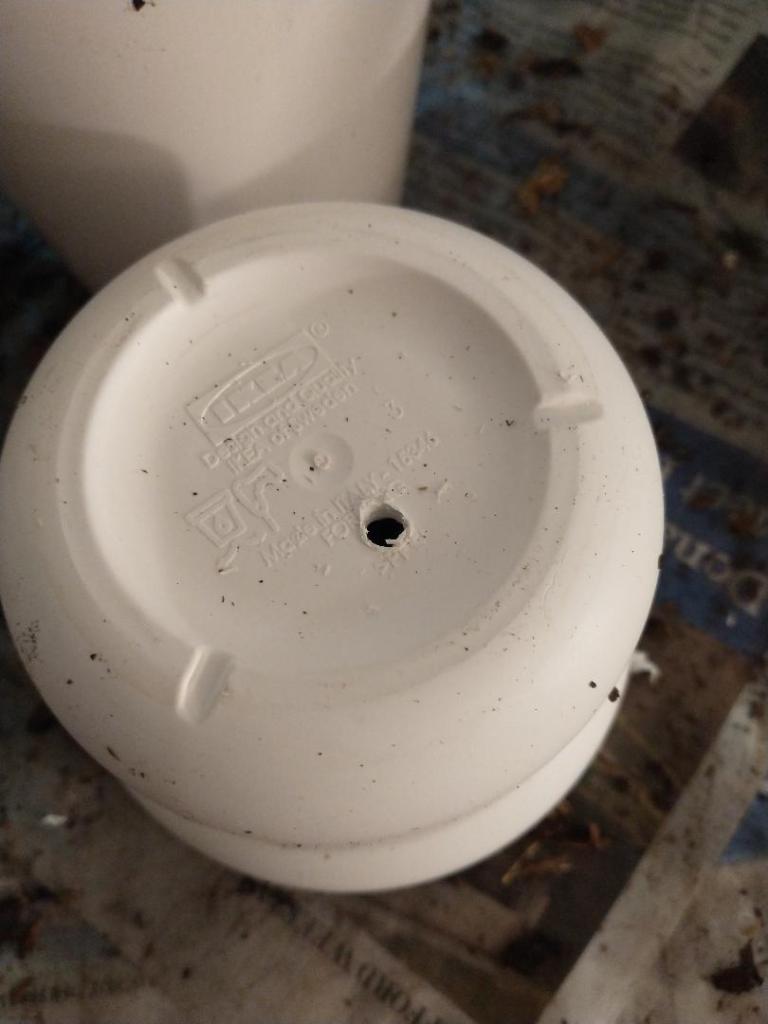
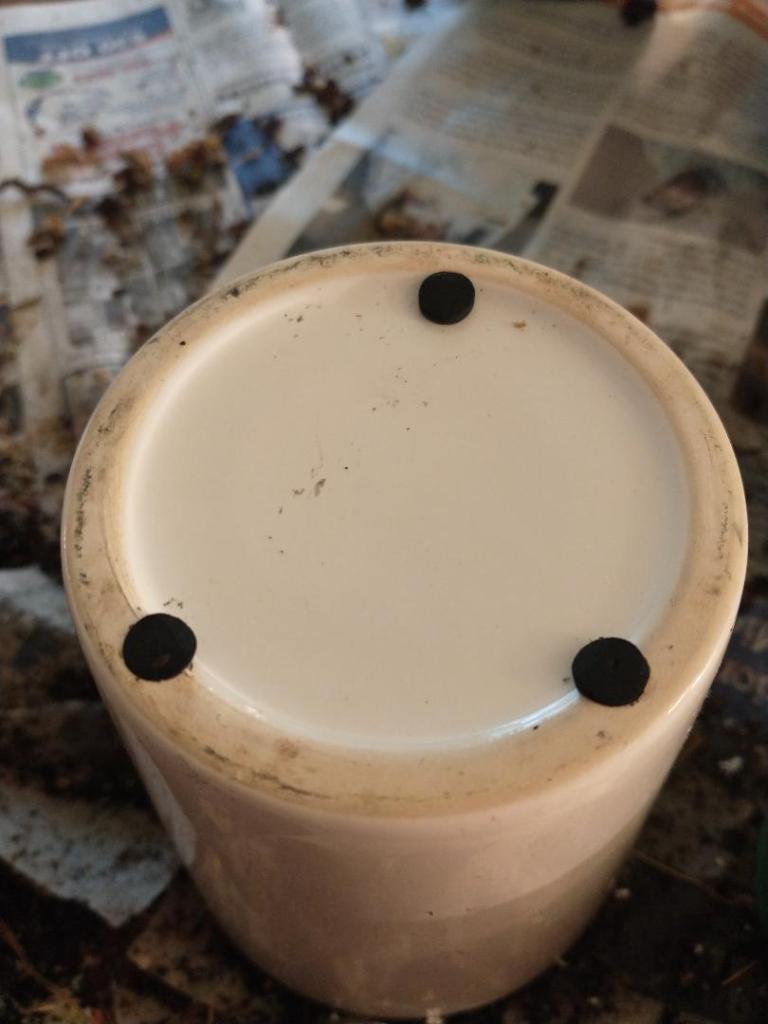
Anytime you plant or repot a plant, choosing the right container is important

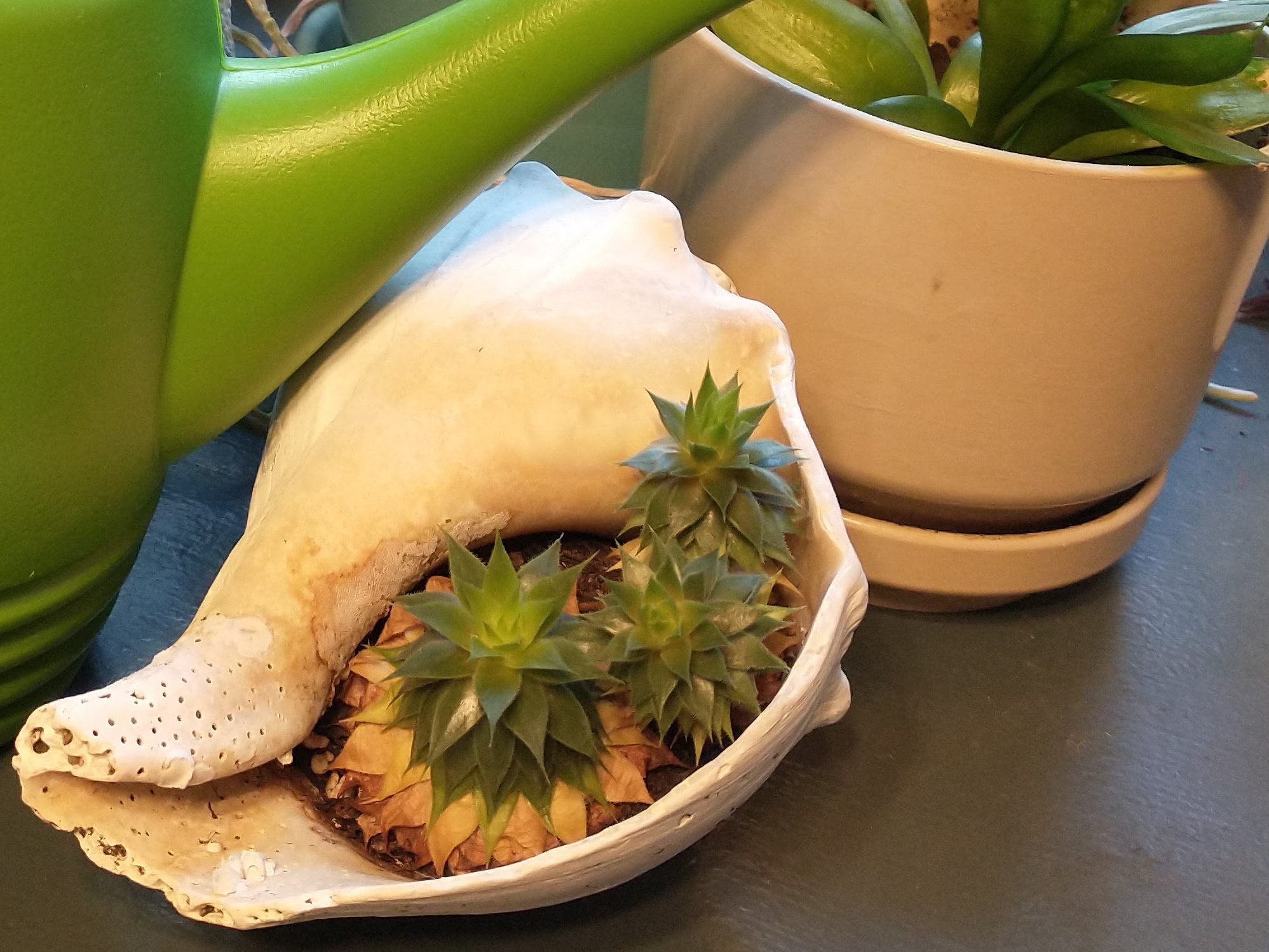
With some plants, you can get creative, like this “baby chick” from a sempervivum plant (hens and chicks) that I transplanted into a shell. 

There are so many fun containers out there, and I am confident you can find something to compliment any personality and home decor style.

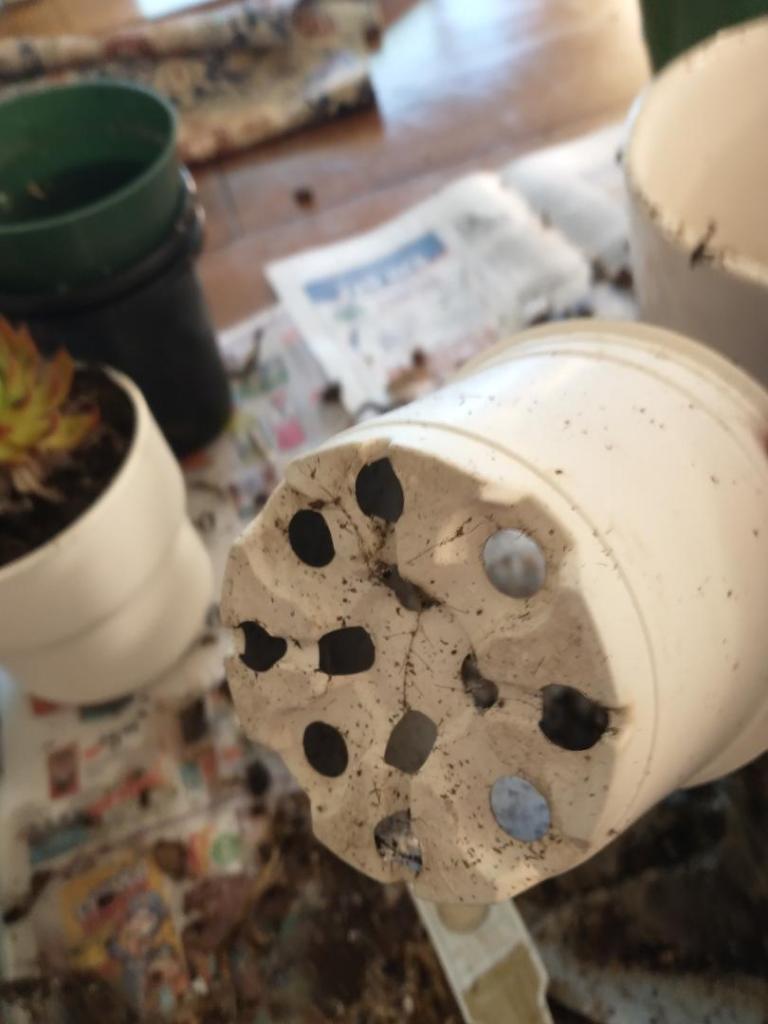
However, there are some considerations that should be made for plant health and utility. Almost all plants need their soil to drain after watering; roots will rot in standing water. 

So what can you do when you find that perfect, adorable container – but it does not have drainage holes?

If the container is plastic, you may be able to create drainage holes using a utility knife or drill (Just be safe! Use gloves, safety goggles, and know how to use your tool of choice properly!) Afterward, place something under the container to catch the water drainage.

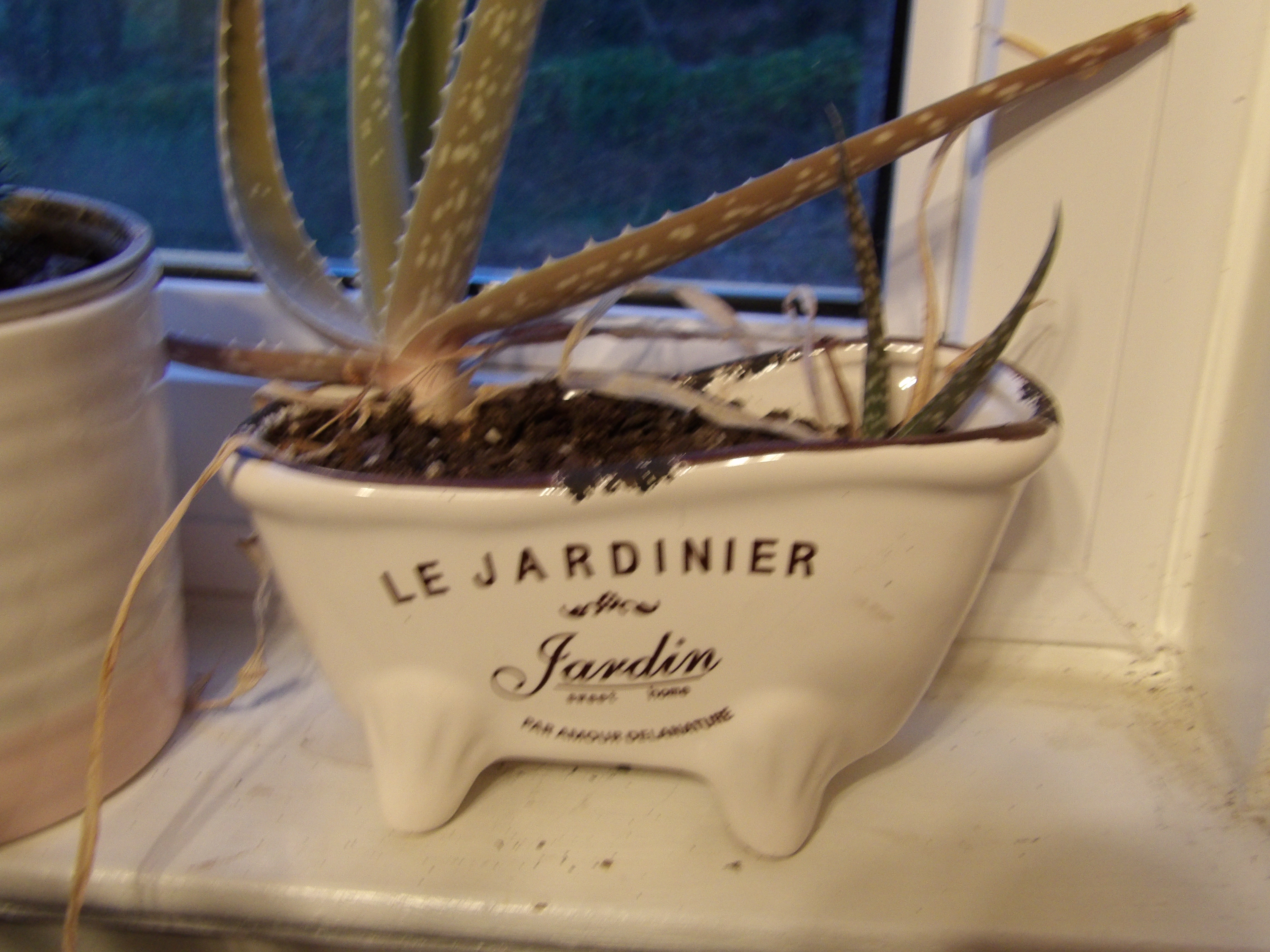
If the container is ceramic, glass, etc, you can simply find a slightly smaller plastic container (with drainage holes) that fits inside the ceramic container. After each watering, lift the inner plastic container, pour off any excess water, and replace it in the ceramic container.

Here’s hoping you and your plants have a wonderful winter. 

Featured

Winter Revival: Part 1

Winter is a time when your outdoor gardening can take a hiatus

However, before you hang up your gardening tools for the season, winter is a good time to do a little indoor maintenance

Of course, you will want to bring your cold-sensitive potted plant friends inside to winter in your cozy home. Bringing pots inside can also mean bringing in those little gnats or fruit flies that lurk in the soil of your pots. One solution for these pests is yellow sticky traps. A shout out to my friend, Terri, for introducing me to these butterfly-shaped fly traps that you can place directly in your pots.  I tried them for the first time this season and have been very pleased with their effectiveness. 

Winter can also be a good time to see if any of your plants need repotting.

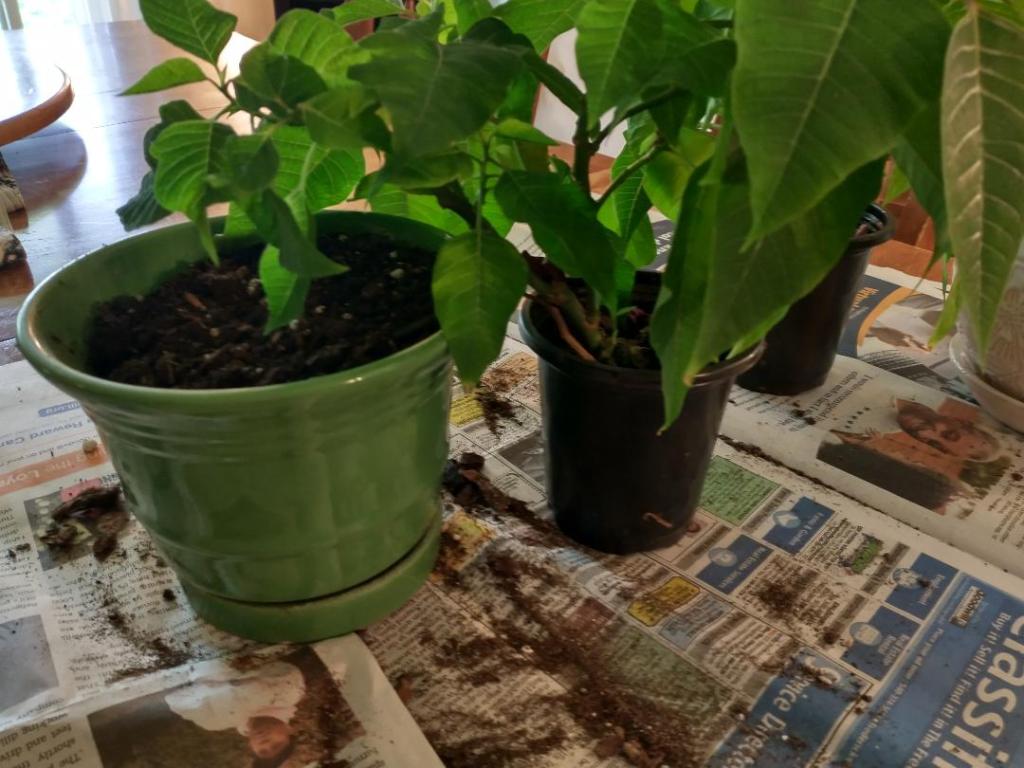
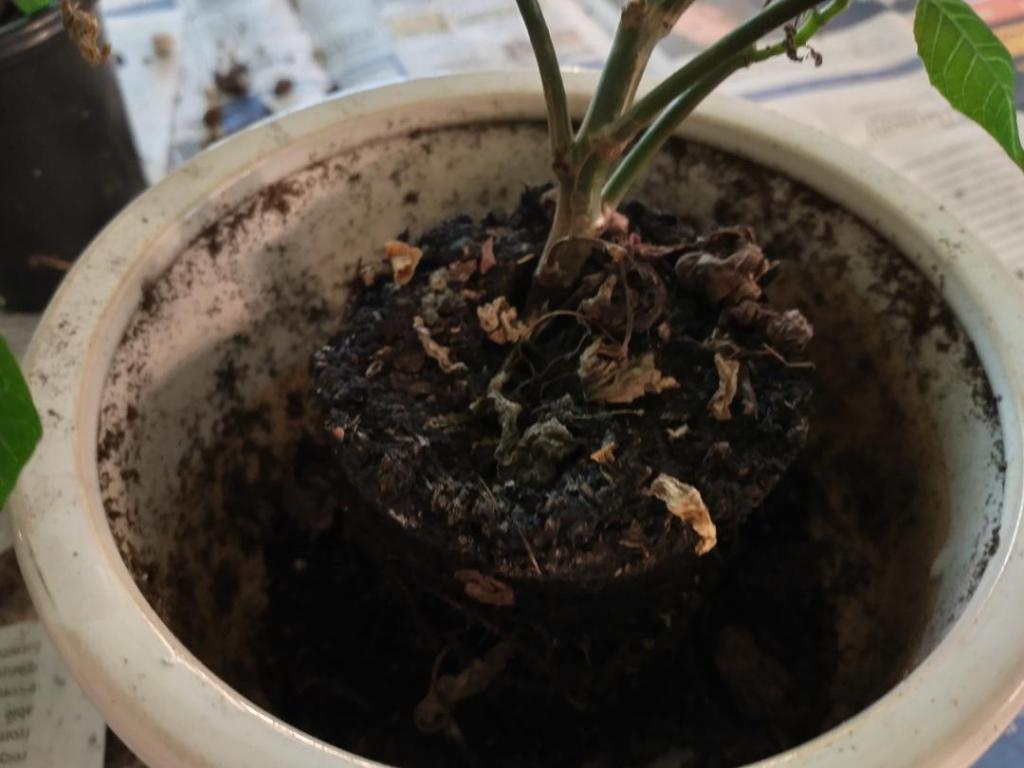
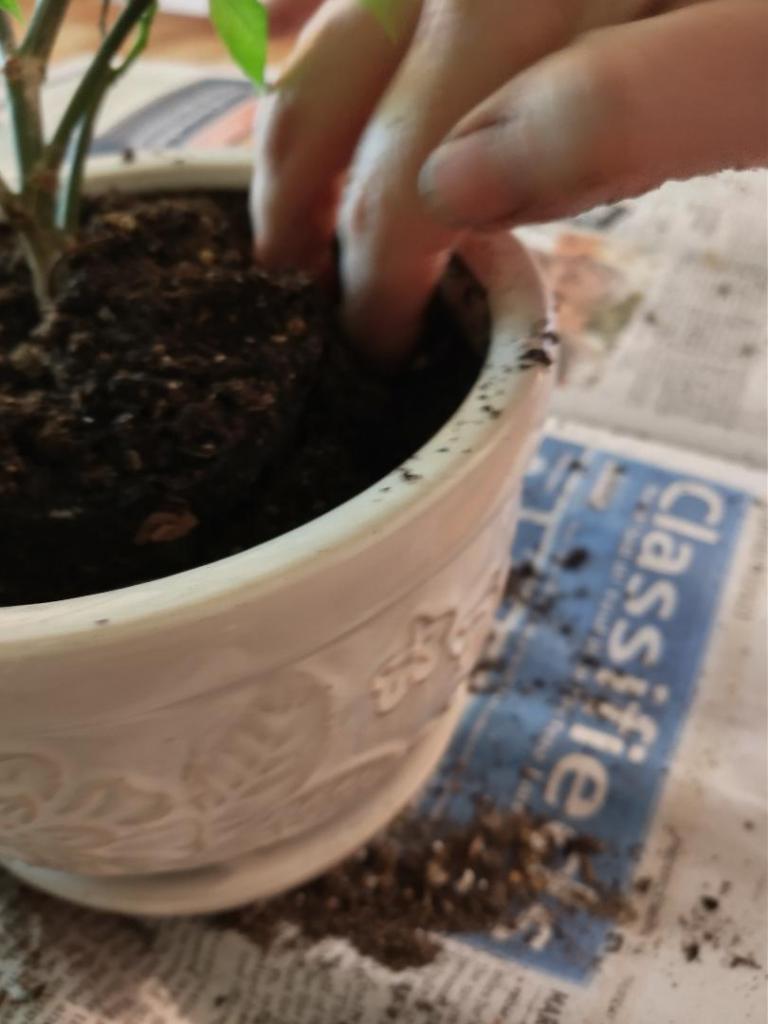
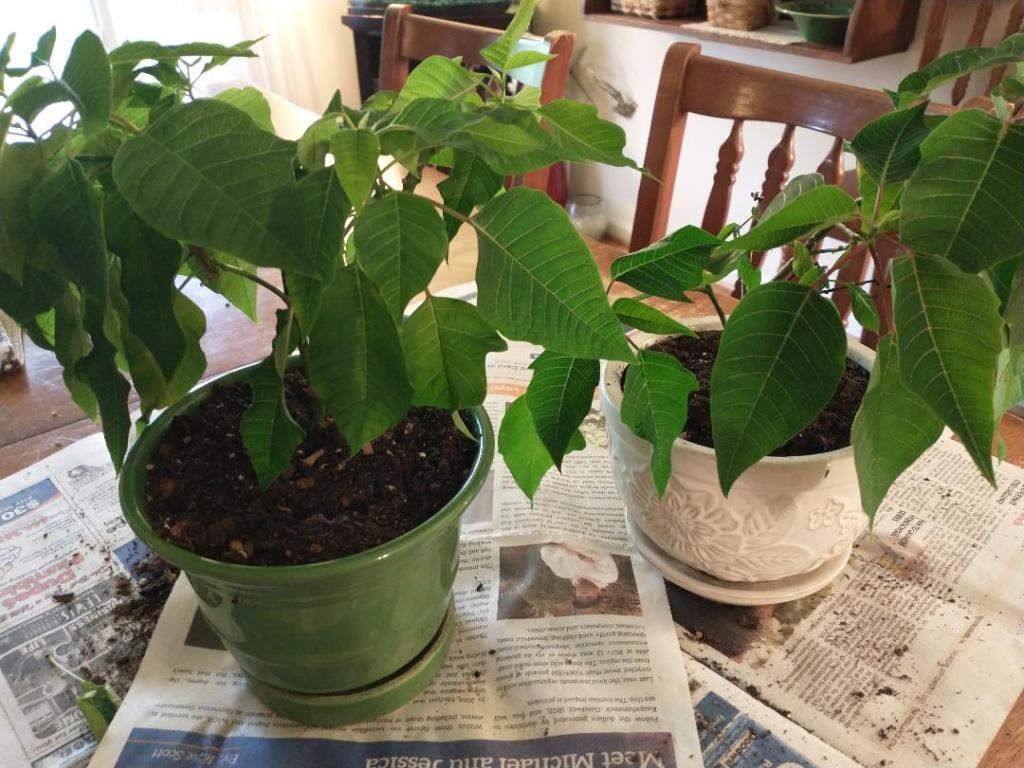
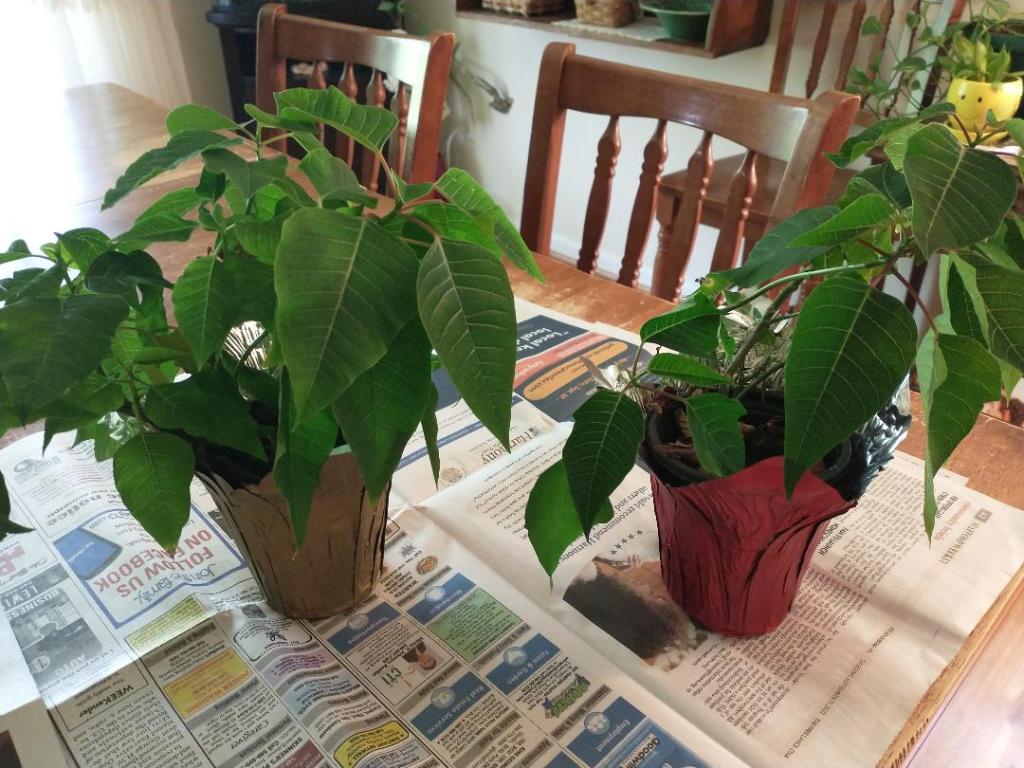
Remember my poinsettias from last holiday season? They are still alive and doing well; yet, they were beginning to outgrow their pots. 

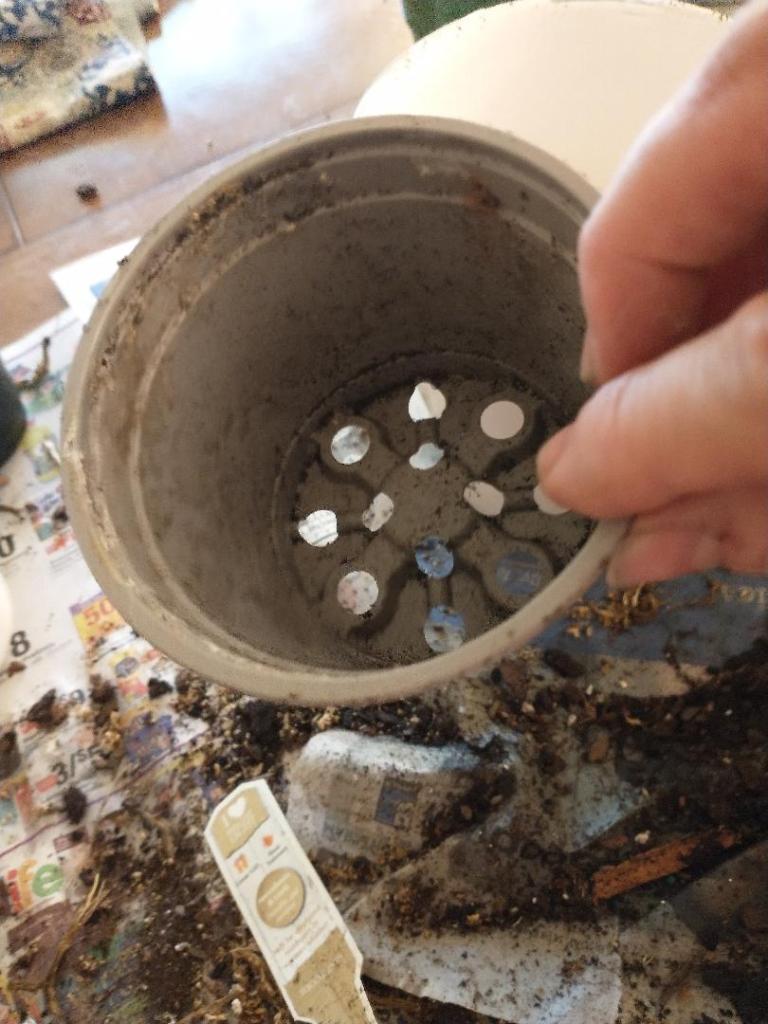
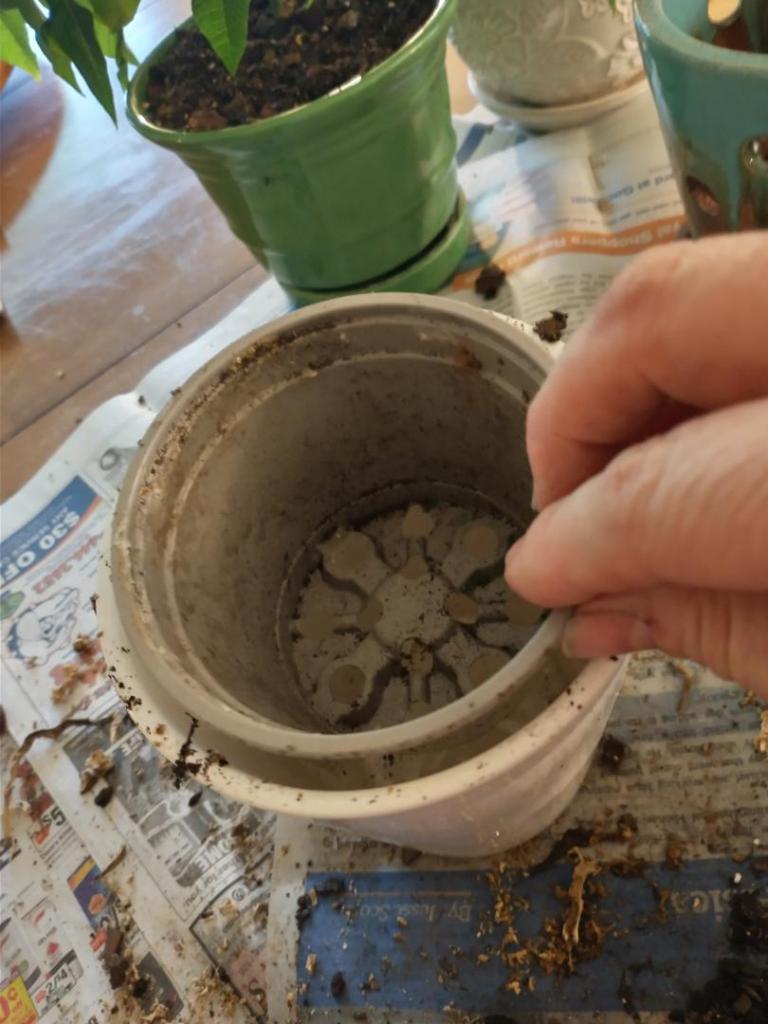
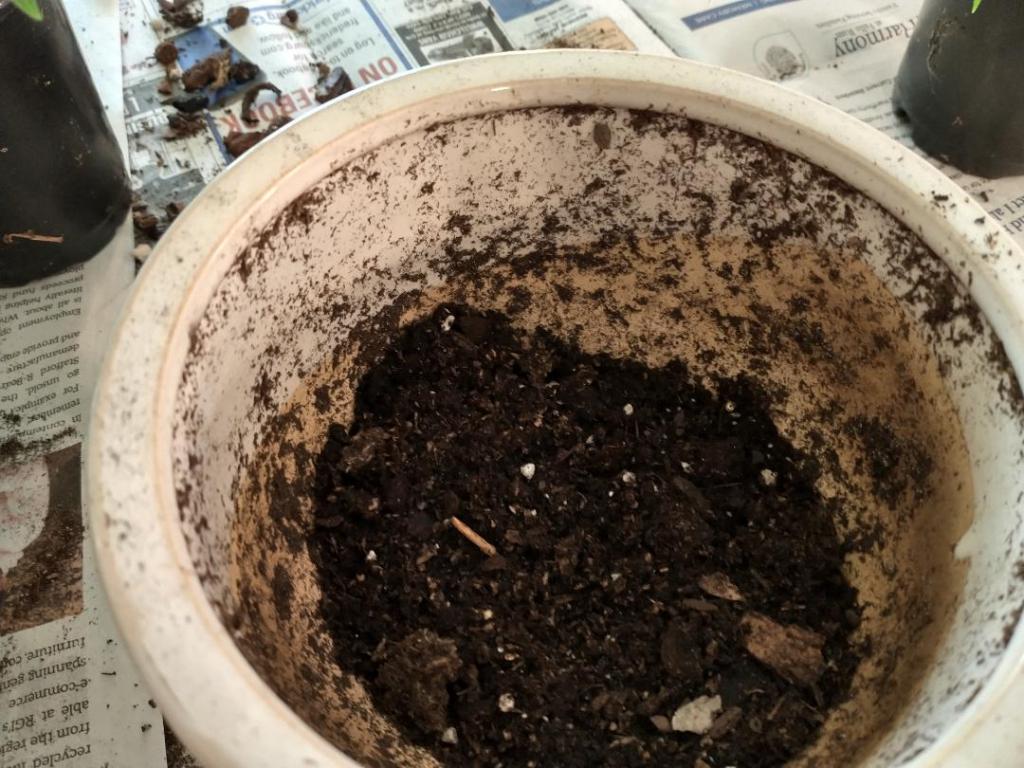
To repot a plant: Choose a container a size or several sizes larger around and deeper. Add good-quality potting soil at the bottom of the new container (there are many good potting soils available; here I do not have a strong preference). Carefully remove the plant from its current container. Place the plant in the center. Add soil around the plant, filling the new container. Water thoroughly initially, then continue with your normal watering schedule.

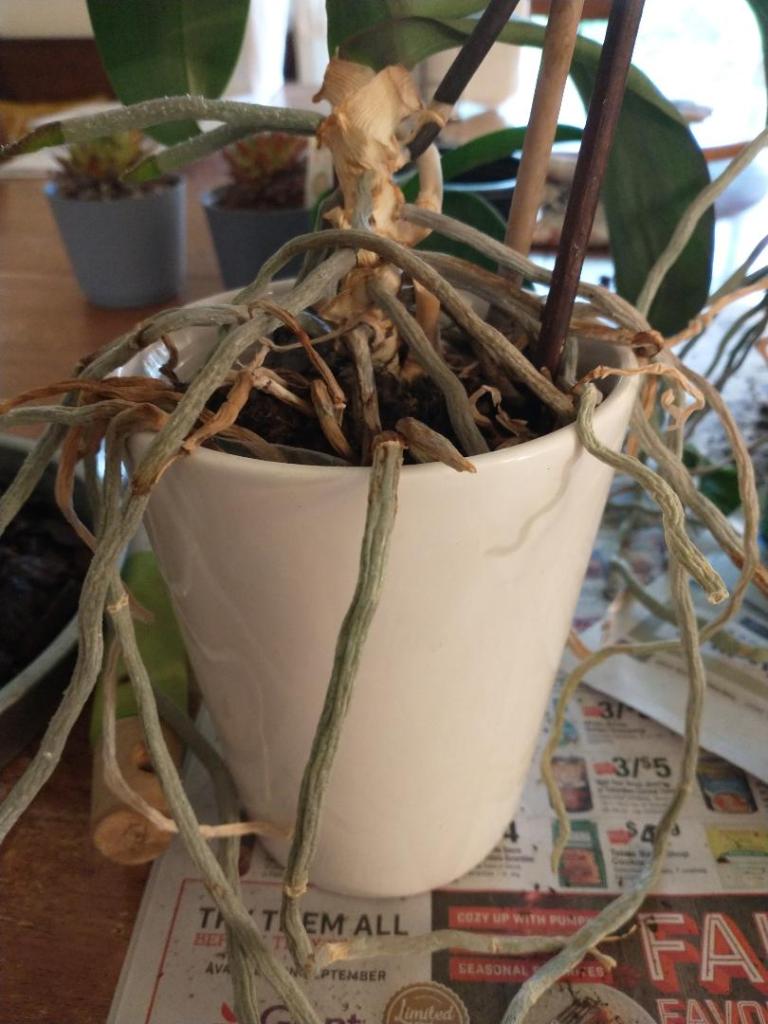
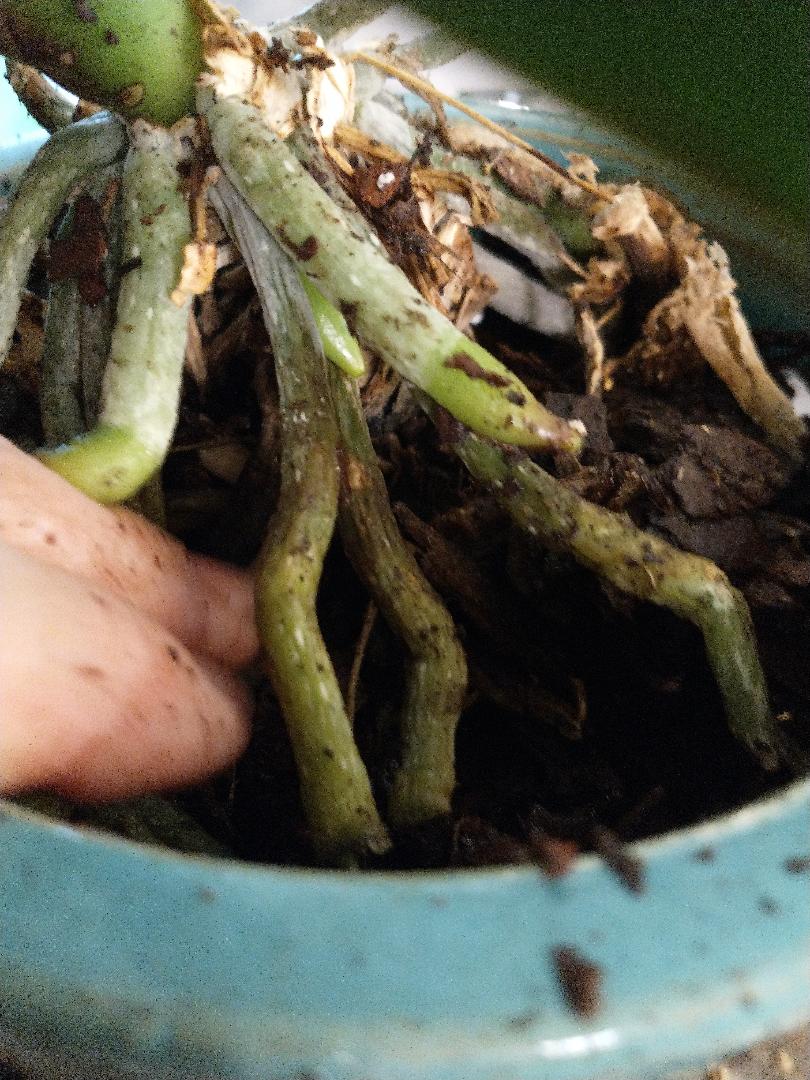
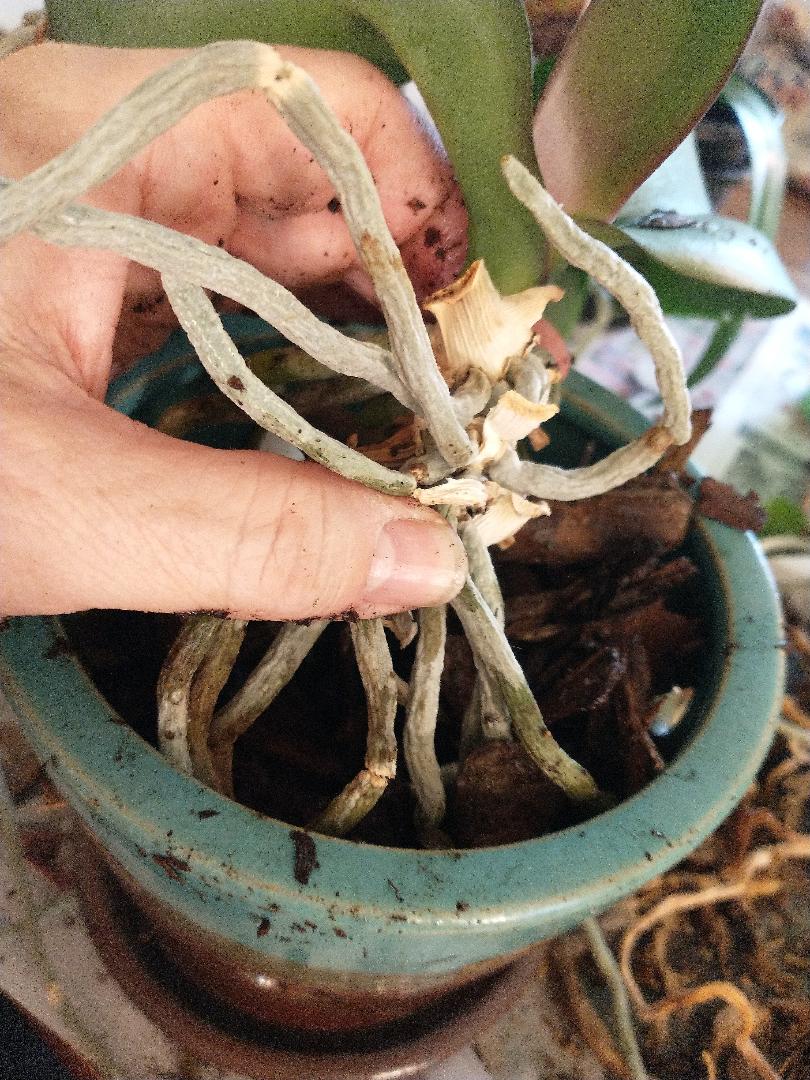
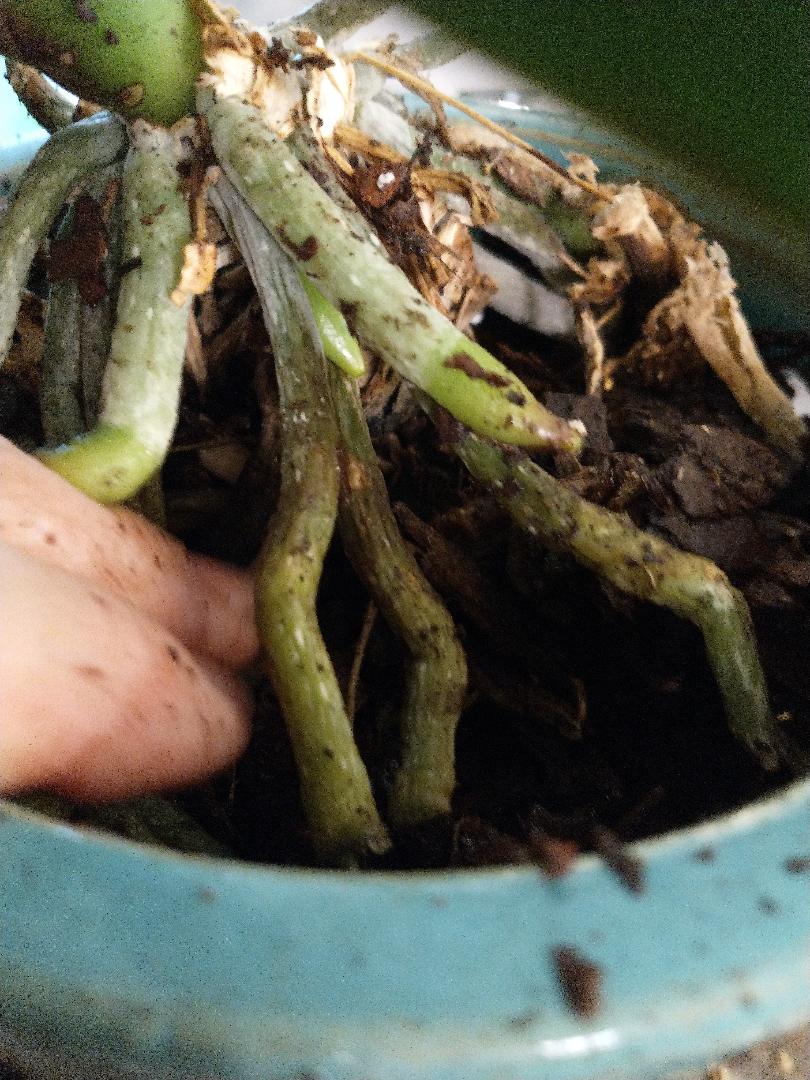
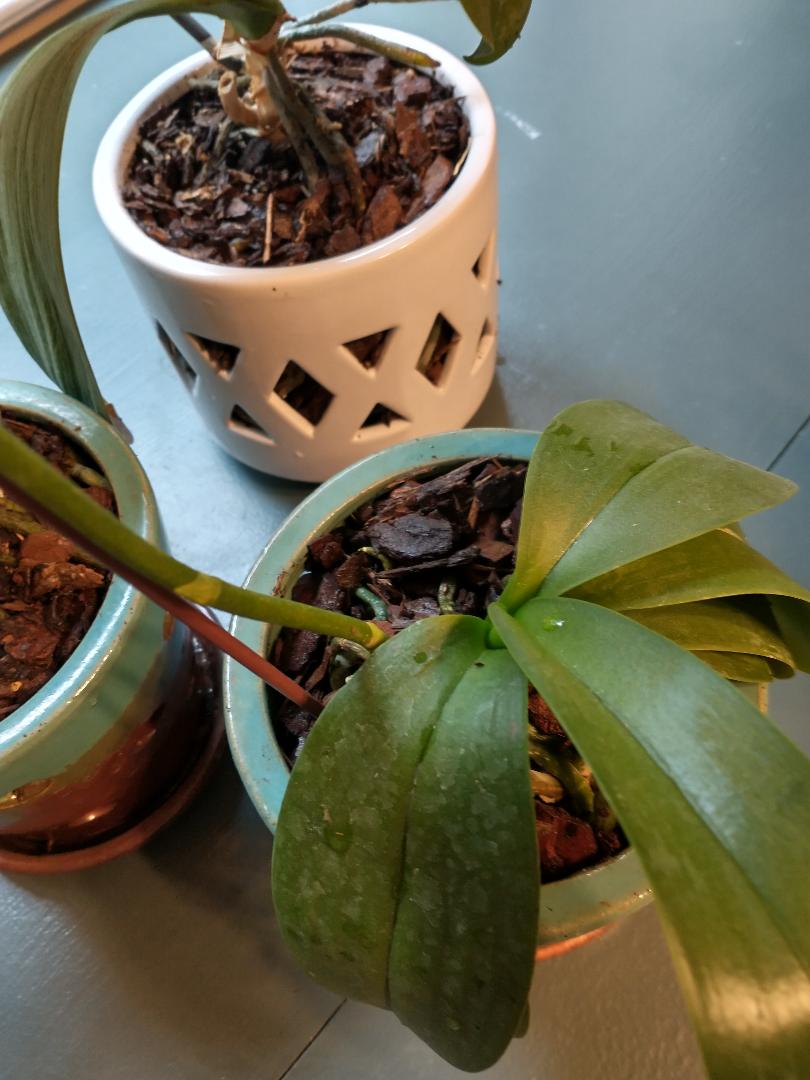
In assessing my indoor plants, I also found several of my orchids needed new pots and a good trim. This little orchid had come in a small pot and was totally root bound. Orchid roots need room to spread out.

There are several mediums you can use for planting or repotting orchids. My preference is a chunkier medium such as Miracle-Gro Orchid Potting Mix Coarse Blend.

Prepare the new pot with a little medium in the bottom. Carefully remove the orchid from its current container. Remove any old medium or debris and trim dead roots. Gently place the orchid in the new pot, adding your potting medium in and around the roots. 

After repotting an orchid, I like to water it thoroughly using an additive to give the orchid a boost of nutrients. My preference is Better-Gro Orchid Better-Bloom

Repotting plants can be stressful for the plant or maybe even for you, but within a day or two, your plants should be looking healthy and happy in their new space.

Featured

Dog Days Fall into Autumn

Dog Days are those summer days when all you feel able to do is lie around because it is too hot to move.  

With the official end of summer coming in just a couple of weeks, dog days will soon be a memory. Many stores, friends, and family have already moved on to autumn decor, scents, and flavors. 

However, I am content to savor summer a little longer. There is much to be enjoyed in these late summer days.

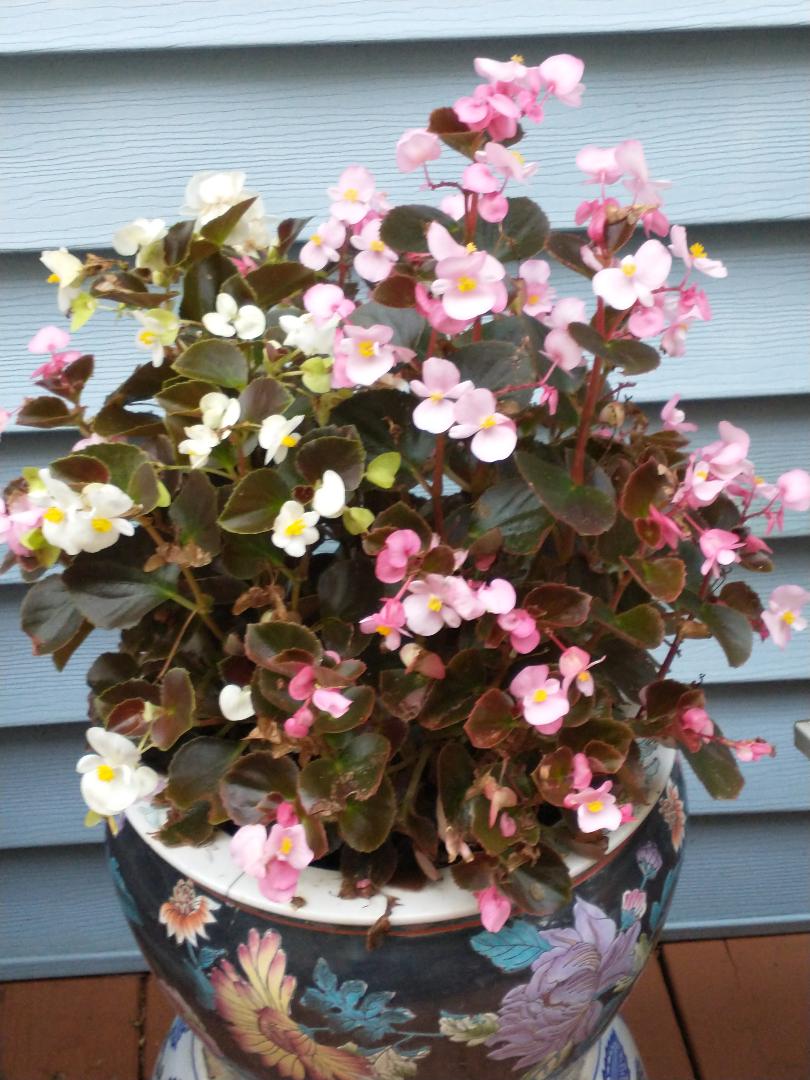
Flowers such as begonias, snapdragons, and roses continue to bloom and are fairly heat resistant. 

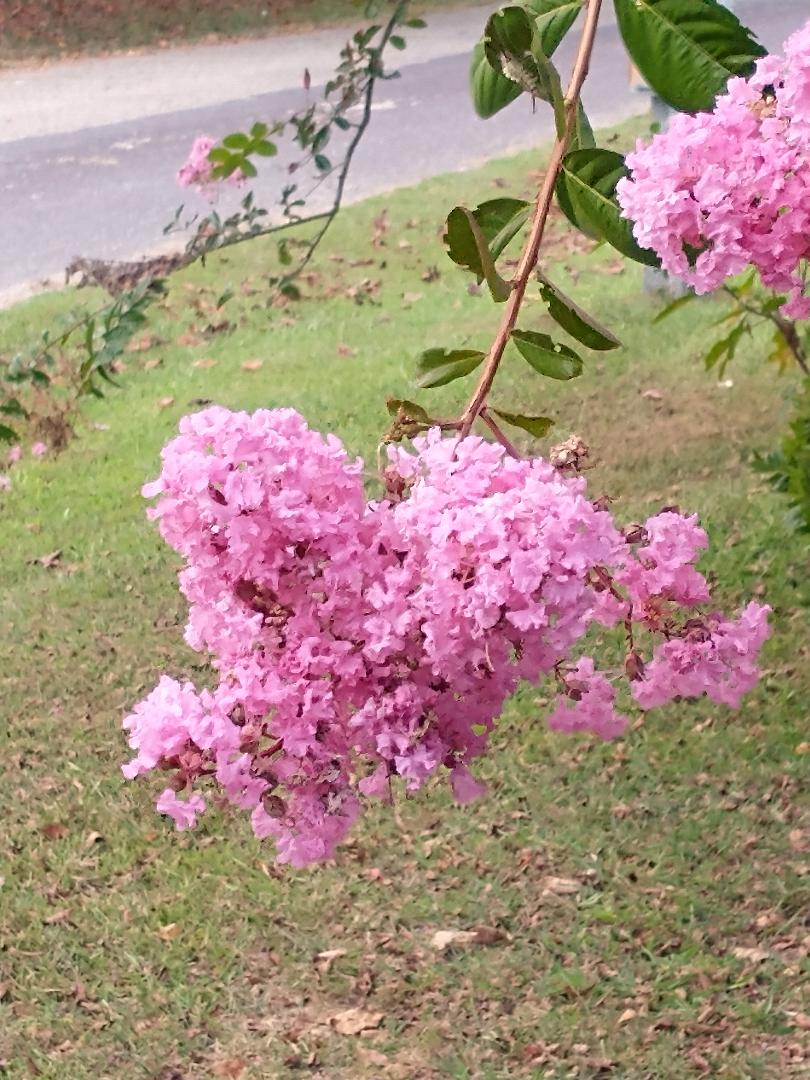
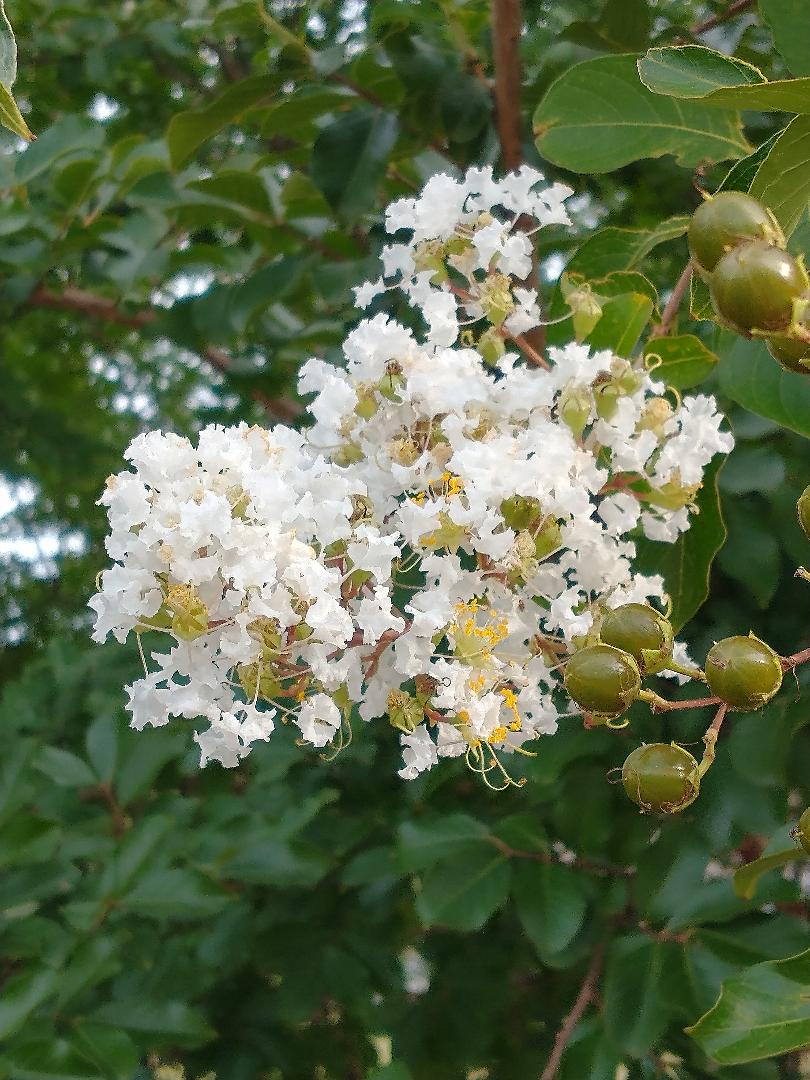
Crepe myrtles are bursting with blooms. 

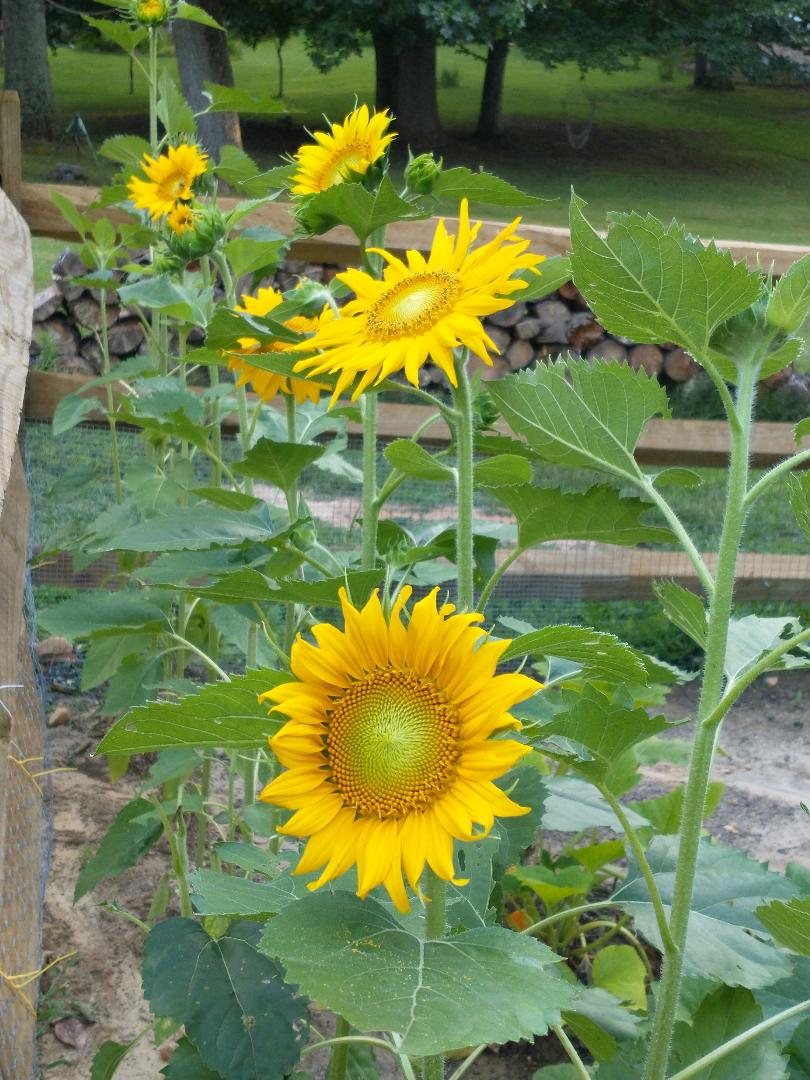
Sunflowers are a favorite bloom of late summer and early autumn.

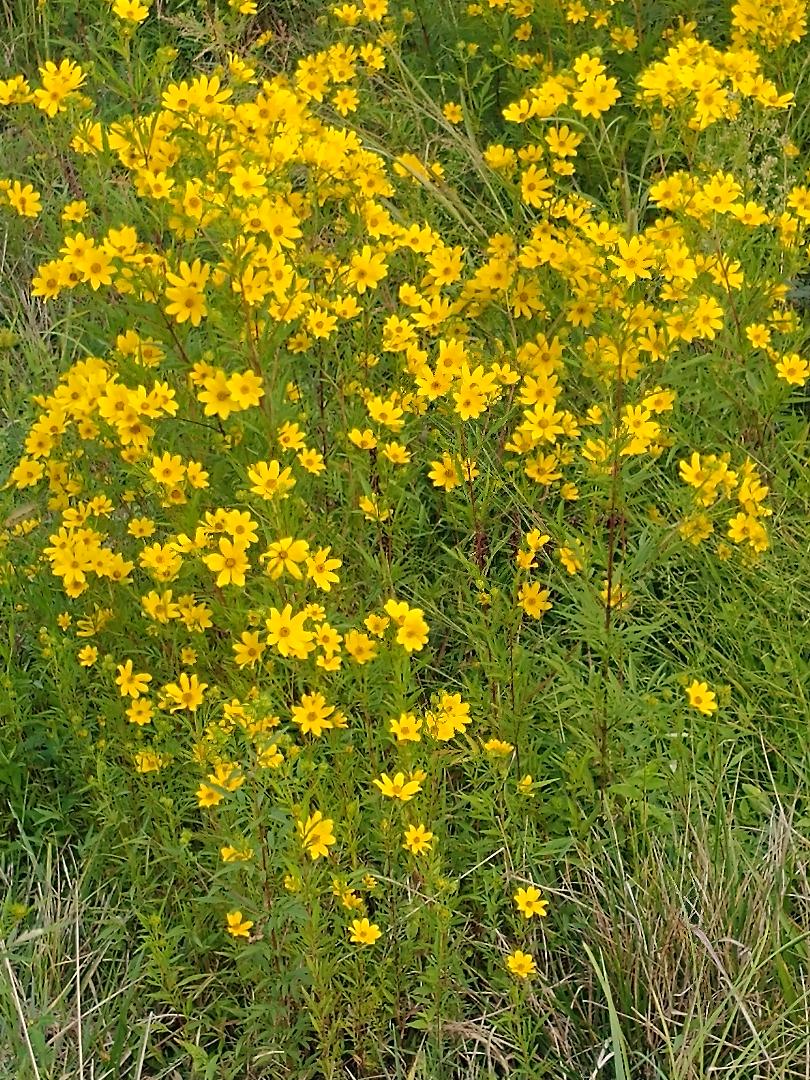
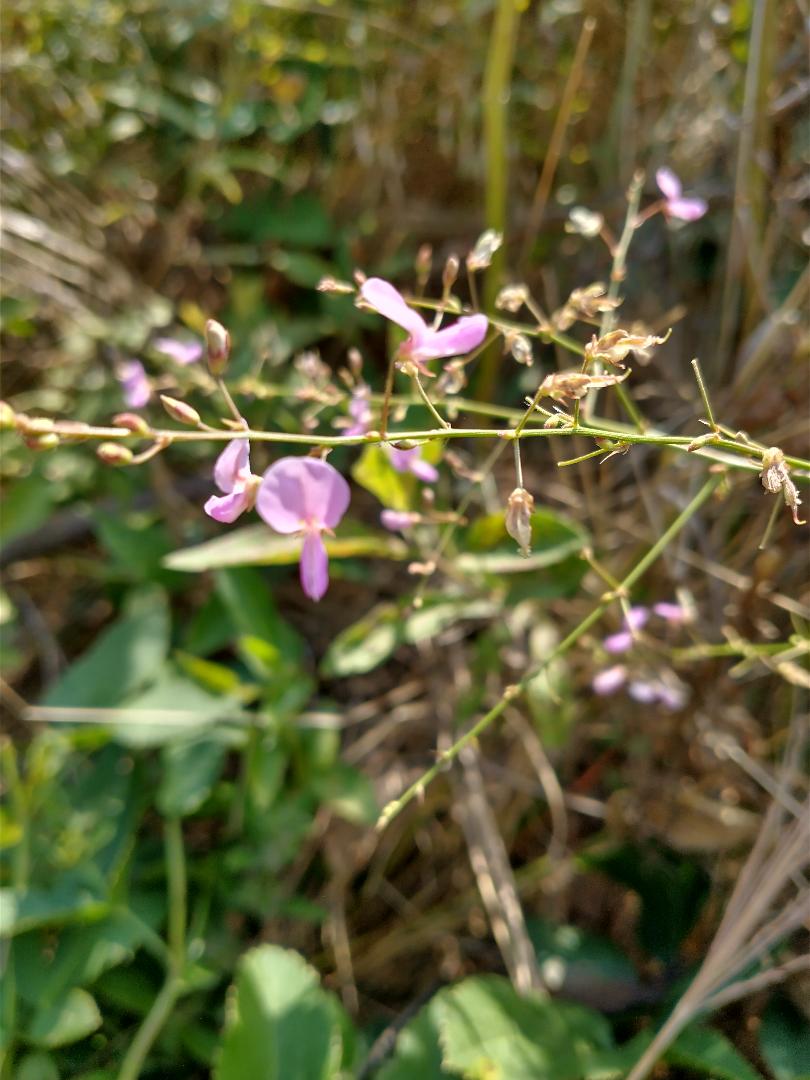
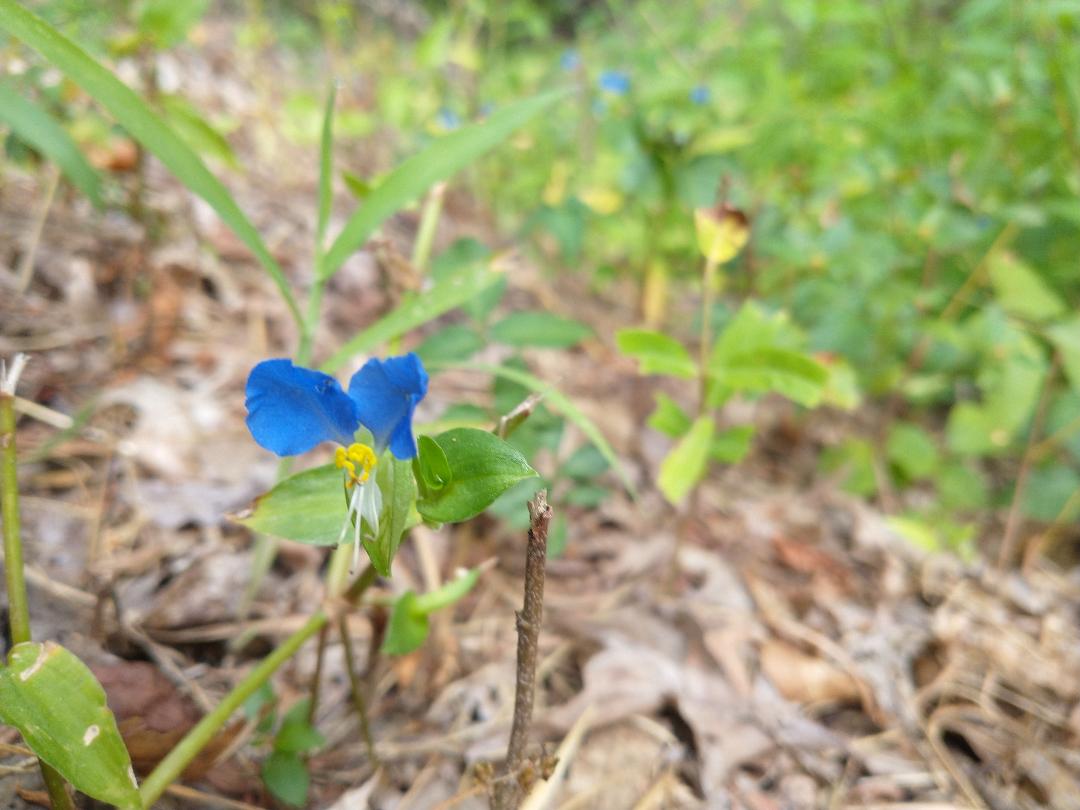
Soon enough we will have the lovely fall hues of red, orange, and yellow to enjoy. Until then, soak in a sunny summer breeze or take a walk or a hike to discover the wildflowers in your area. Search out those final pink, white, blue, or purple blossoms. Here are a few wild beauties I found near my home.

May your summer delights linger a little longer…

Featured

To the Rescue

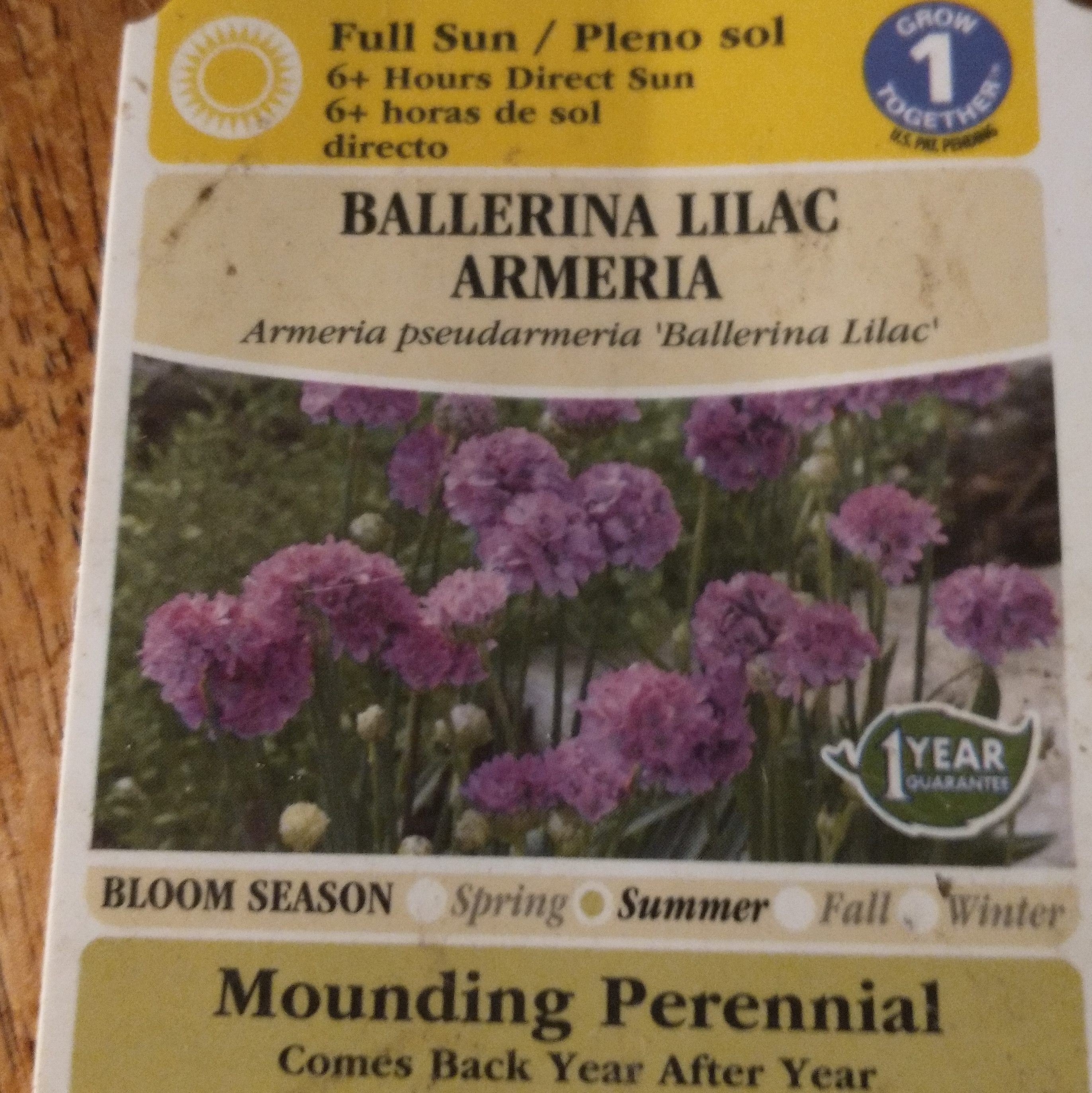
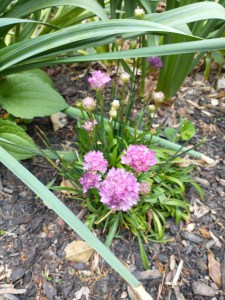
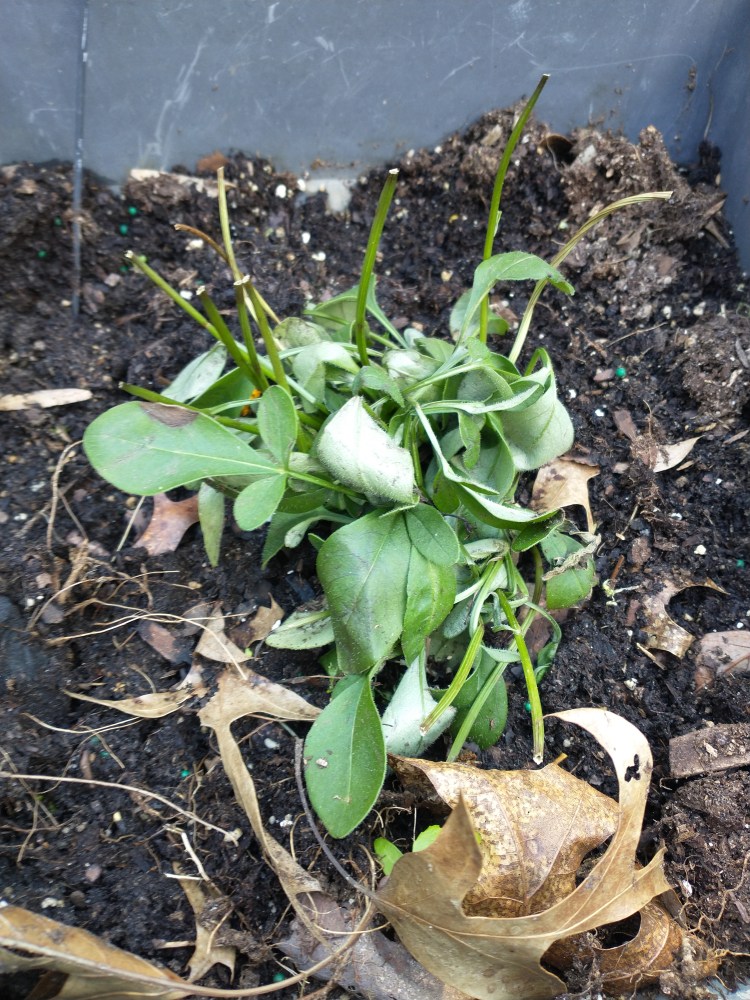
One of the things I really enjoy is rescuing plants. Usually, this means finding that sad little plant on the clearance rack at a home improvement store that just needs a little love –  like this ballerina lilac armeria I rescued a few weeks ago.

This little ballerina needed some sun, consistent watering, and a trim (deadhead blossoms). Now her blooms are dancing again.

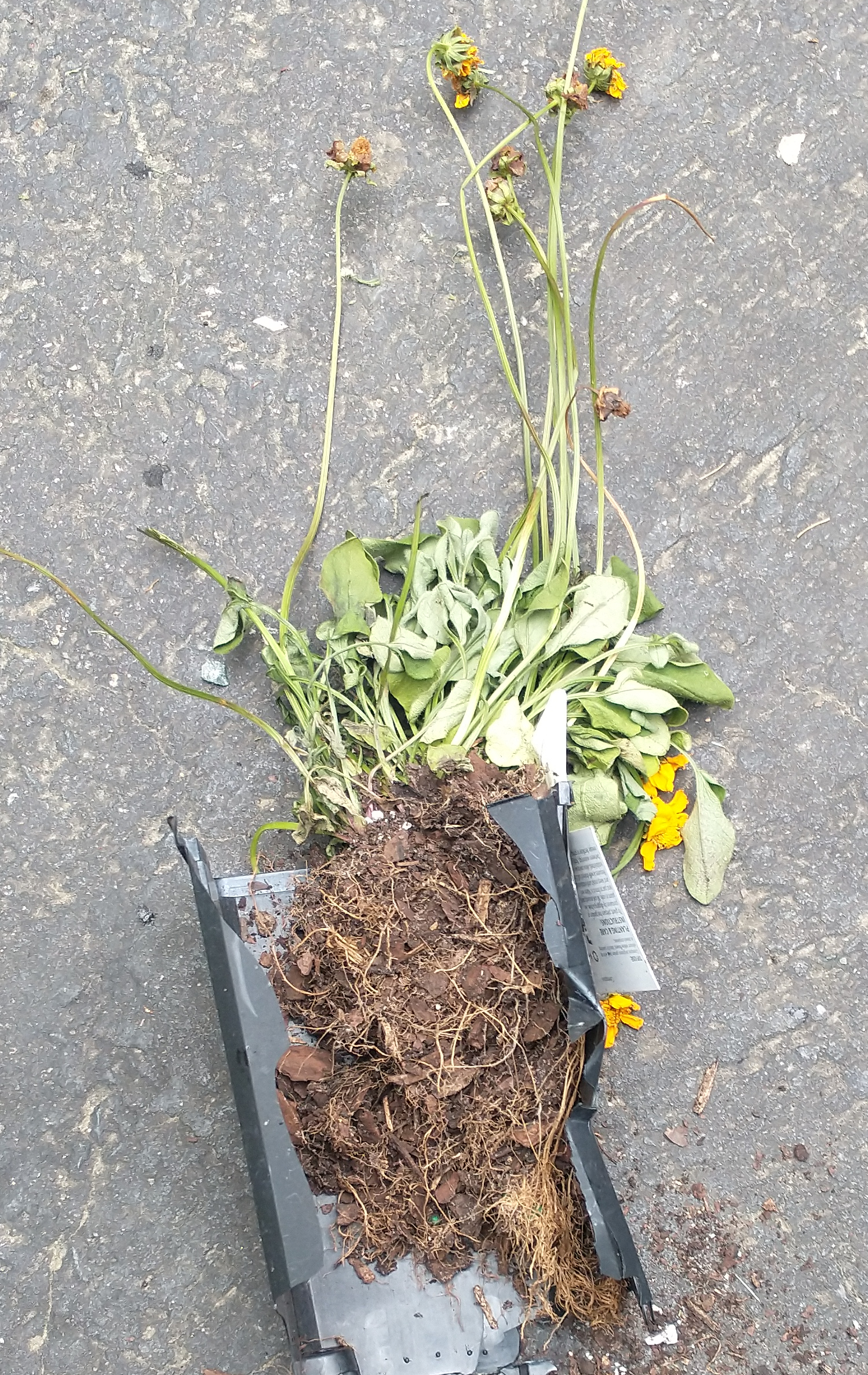
Once in a while, I get a chance to truly bring a plant back from the brink of an untimely demise. This was the case recently when I found this Coreopsis auriculata abandoned in my son’s school parking lot.

This plant looked ready for the trash bin. However, I brought it home and immediately put it in a pot and gave it a generous drink of water. 

In just 24 hours the plant had perked up considerably.

A week later, buds are forming. 

If you have a plant that you worry is sick or dying, do not despair. It may not be a lost cause! There’s a wealth of plant knowledge available on the internet or visit a local plant nursery. A little research on what your plant needs in the way of sun, soil, and water, can usually get you back on track. Be patient and don’t give up on your plants – or your plant dreams! (Where have I heard that?)

I love learning from plants.

This rescue experience taught me that coreopsis auriculata is very hardy when given a chance.

I was also reminded that sometimes things look bleak, but a little tender care and support can make all the difference and allow us to thrive again. 

Do something small for someone else – or maybe even for yourself – and see what a big difference it can make! 

Featured

Getting Reacquainted

It can be nice to get reacquainted with an old friend.

I recently renewed my acquaintance with Lucy Maud Montgomery. Or I should say, I renewed my acquaintance with her literature.

L. M. Montgomery, the prolific Canadian writer best known for her Anne of Green Gables series, wrote 20 novels and hundreds of poems and short stories.

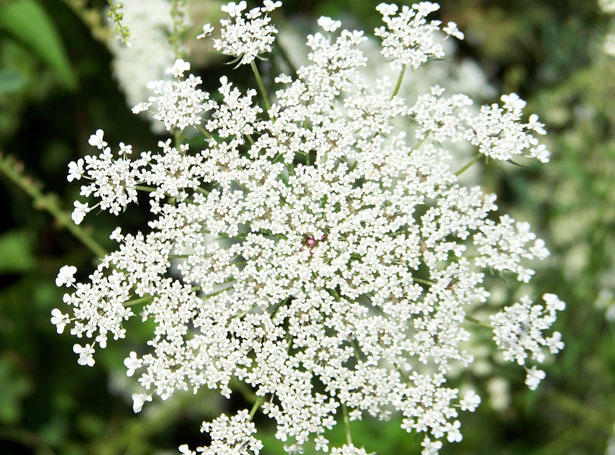
Of course, as a young woman, I was all about Anne of Green Gables, both the books and the movies. In fact, I am sure I can thank Montgomery for my affinity for Queen Anne’s lace and spunky redheads.

I still love Montgomery’s heroine, Anne, but I am finding, as an older woman, that there are many more Montgomery treasures to discover and enjoy.

Nearly all of Montgomery’s novels are set in the picturesque Prince Edward Island province of Canada and have strong female characters.

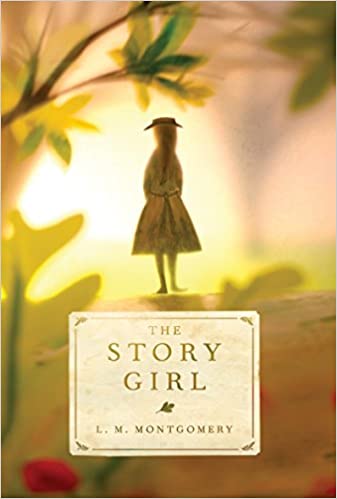
My sisters’ virtual book group, Shelf Sisters, read The Blue Castle, in March 2019. Now Shelf Sisters just read her book, The Story Girl.

The Story Girl chronicles the adventures (and misadventures) of a group of cousins and their friends in – you guessed it – rural Prince Edward Island. One of the cousins has a particular talent for telling stories that captivate her listeners, old and young. The novel is about family, but you might also find something interesting between the lines about faith, fear, love, gender roles, and more.

Though written for a young audience, if you are feeling in the mood for charming, clean, clear writing with a touch of nostalgia, The Story Girl will not disappoint even an adult reader. I certainly do not mind being transported back to a simpler time when I did not have so many adult concerns and responsibilities.

There is such a place as fairyland – but only children can find the way to it. And they do not know that it is fairyland until they have grown so old that they forget the way.

Only a few, who remain children at heart, can ever find that fair lost path again; and blessed are they above mortals. They, and only they, can bring us tidings from that dear country where we once sojourned and from which we must evermore be exiles. The world calls them its singers and poets and artists and story-tellers; but they are just people who have never forgotten the way to fairyland.”

L. M. Montgomery, The Story girl, page 145
Featured

Rockin’ Egg

My daughter recently told her four- and two-year-old, “last one in is a rotten egg.” Her four-year-old then replied with enthusiasm, “I want to be a rockin’ egg!”

I had a great laugh at my granddaughter’s misunderstanding. I tried to envision her vision of a “rockin’ egg”. Was it an egg rocking in a rocking chair, perhaps dancing, or jamming out on an electric guitar?

Whatever her vision, she inspired me. What a great attitude!

To be able to turn a potentially smelly and rotten situation into something fun is a talent worth developing! Maybe even worthy of a New Year’s goal? (I cannot find the resolve to use the word resolution!)😉

Another recent experience reinforced for me the amazing power of positivity.

2022 began with a snowstorm slamming the area where I live. We went five days without electricity, internet, and flushing toilets (gotta love those modern conveniences). After the first few days, my husband and I dug out of our driveway and ventured out to find open stores to replenish our water and food supplies.

While waiting in a slow-moving, 20+ people deep check-out line, for over an hour, I observed shopper after shopper show kindness and patience to fellow shoppers. It was surreal – like a lost episode of The Twilight Zone.

Still, when I finally got up to the register, I expected to be greeted by an exhausted, less than pleasant employee. Instead, I was greeted with, “You made it! You doing okay? You find everything you need?”

I have no idea how long this cheerful angel of shopping mercy had been there or would continue to stand there helping tired, desperate customers. I do know that her unexpected, simple words melted away days of frustration. I thanked her for her kindness. I thanked her for showing up for work that day. I thanked her for finding the energy to keep going. She laughed and brushed off my gratitude with, “Oh, it’s no big deal. We are all in this together.”

Yes! It’s so true. We are all in this together. So, let’s take those smelly, rotten moments, frustrations, injustices, or misfortunes that come our way, reach down deep, and find a way to rock on!

Featured

Frosted Tomatoes

In Virginia, it is feeling like winter. We have already had our first frost. This means that the few tomato plants that were hanging on are done and it is time to put the garden to bed for winter.

So, what do you do with the green tomatoes still clinging to your plants when the temperatures drop and Jack Frost threatens to make his seasonal debut? Pick them!

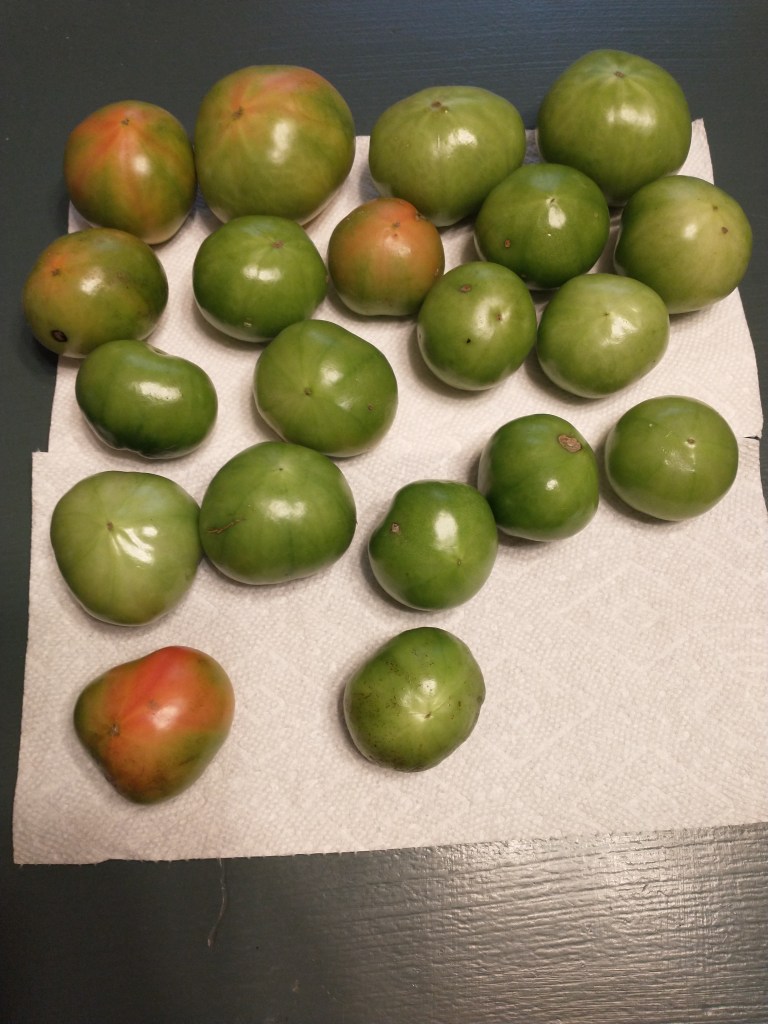
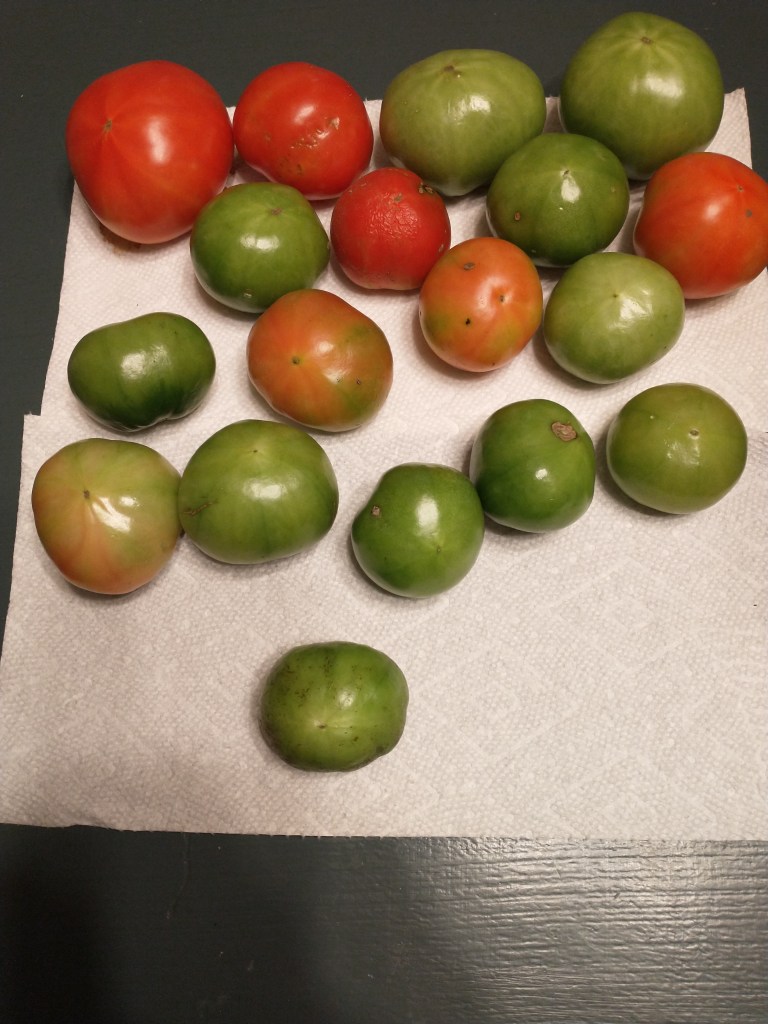
Green tomatoes will ripen for you inside. Granted, they will not taste as mouth-watering as your vine-ripened summer beauties, but they can still be enjoyed.

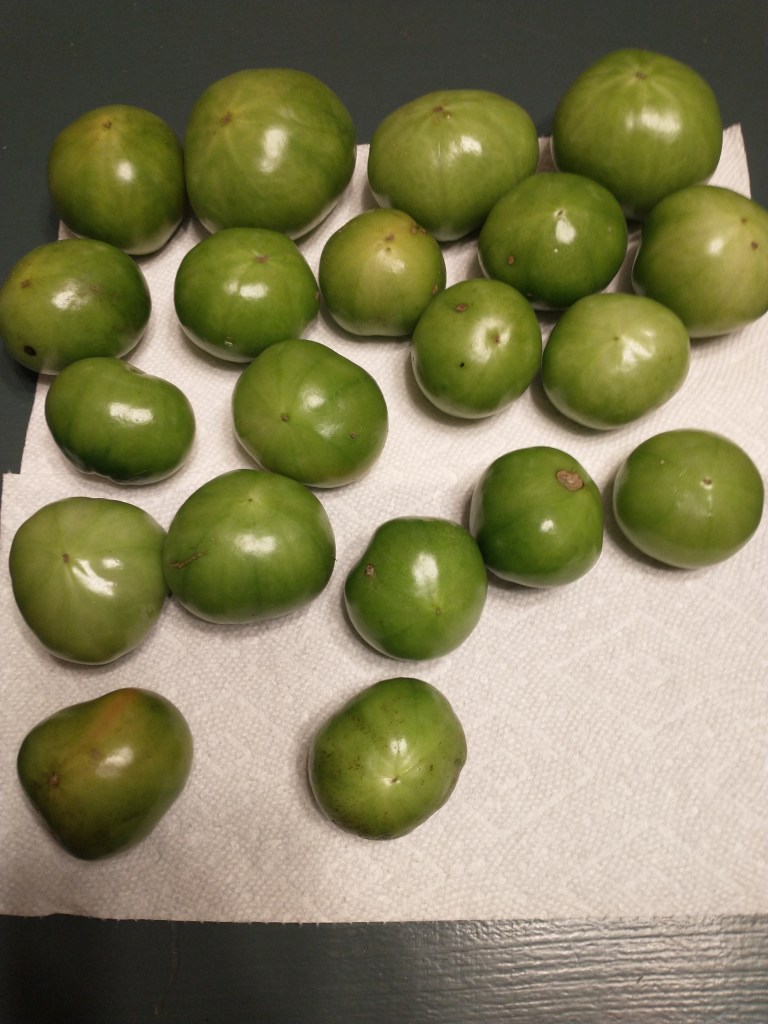
Here are some pictures of my final pick.

Day 1
Day 3
Day 5
Day 7


Hint: Place your green tomatoes stem side down to ripen on a paper towel.

If you do not want to wait for them to ripen, you could try fried green tomatoes or green tomato relish.
Whatever you decide to do, I hope you will enjoy your winter harvest.

Beautifully Balanced

How do you define balance?

Does this simple, two-syllable word have a positive connotation for you or does it bring images to your mind of a frenzied circus performer spinning plates or a precariously perched gymnast landing a backflip on a slender beam?

I recently discovered this little treasure left for me on the garden fence by my son. His visual interpretation of balance has me thinking about balance in a new way.

I hear so much about work-life balance, balanced diet, balanced budget, and so on. It is overwhelming. At any particular moment, I am likely unbalanced in one or all of these areas.

I often find myself focused on what is unbalanced in my life or what I think the ideal balance should look like. I forget to appreciate all that is beautifully balanced around me.

Subconsciously, I am achieving balance all the time. When I stand, walk, put books on a shelf, hang a picture on the wall, or adjust the eggs in the egg carton so all the weight isn’t on one side, I’m finding balance.

Like my son’s rock monument, balance may at times look lopsided, a jumble of all shapes and sizes, but if it works, it works. (And when it works – it’s beautiful!)

One of my grandchildren is just learning to walk. Watching her learn to balance is also inspiring. She may get frustrated at times, but she never gives up. She holds on to furniture or her mom or dad for support. She delights in her family’s encouragement and celebrates even small achievements with a huge smile. She keeps practicing until her balance is better and she becomes more confident. She recognizes that balance (walking) is a worthy goal and worth her effort (so she can keep up with her siblings!).

So, I think I will try taking a cue from my son and my granddaughter. I will try to worry less about what balance looks like and just figure out what works for me. I will remember that it is okay to seek support and encouragement when I need it, to celebrate even small successes, and to never give up!

No person, no place, and no thing has any power over us, for ‘we’ are the only thinkers in our mind. When we create peace and harmony and balance in our minds, we will find it in our lives.” Louise L. Hay