Better Late Than Never Bulbs

A friend recently reached out to me with a great question: What’s the best thing to do with bulbs if you have missed the recommended planting season?

Certainly, it is always best to follow the planting and care guide that comes with your bulbs. Following the guide gives your bulbs the best opportunity to thrive.

However, all is not lost is if you find yourself outside the planting guide recommendations.  Whether you have received bulbs as a gift, you pulled bulbs off the clearance shelf after planting season (this would be me!), or you simply forgot to plant them in the fall, you still have options.

Personally, I would go ahead and plant them (and I have many times) if:

  1. The bulbs look healthy – not mushy, mildewed, or dried up to the point they are dust.
  2. You have a healthy spot to plant them – good, well-drained soil.

A disclaimer is definitely needed here: You should be aware that if you plant bulbs outside the recommended “optimum” planting window, they may not survive.

Yet, my experience with late-planted bulbs is that there is a greater than 50 percent chance of survival. They will likely be “confused” during the first growing season and not produce blooms. However, after a full season cycle, they usually catch up.

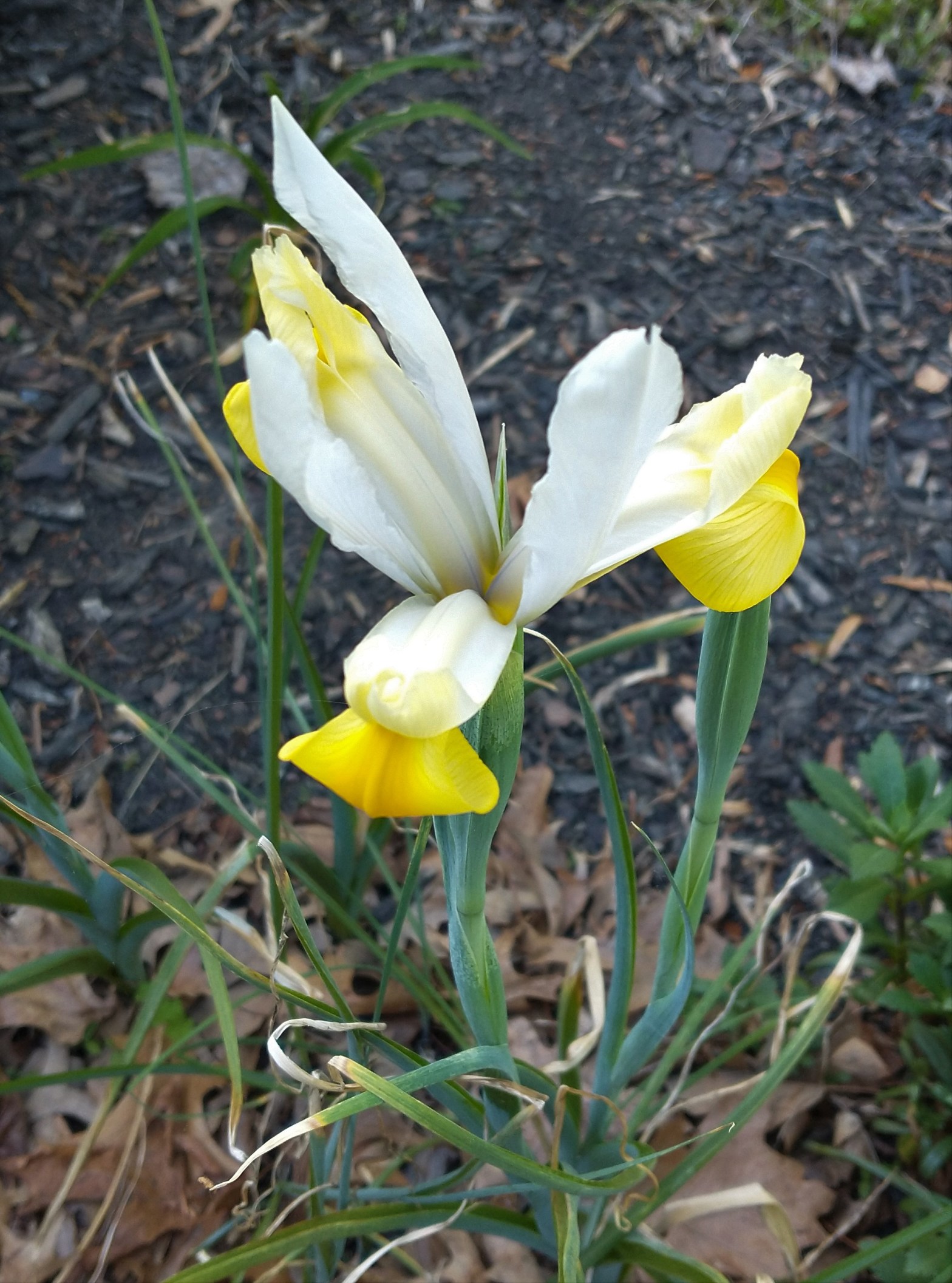
For example, I planted these “clearance” Dutch iris bulbs out of season. They are now blooming/thriving after one season.
Another option is to plant the bulbs in pots and store them in a dark, cool place until their shoots appear. Then you can transplant them into your flower bed.

Want to know more? Check out the blog posts on dutchgrown.com. They have great information on a variety of bulbs and bulb care including this one on forgotten bulbs. https://www.dutchgrown.com/blogs/the-dutchgrown-blog/forgot-to-plant-flower-bulbs
Getting Reacquainted

It can be nice to get reacquainted with an old friend.

I recently renewed my acquaintance with Lucy Maud Montgomery. Or I should say, I renewed my acquaintance with her literature.

L. M. Montgomery, the prolific Canadian writer best known for her Anne of Green Gables series, wrote 20 novels and hundreds of poems and short stories.

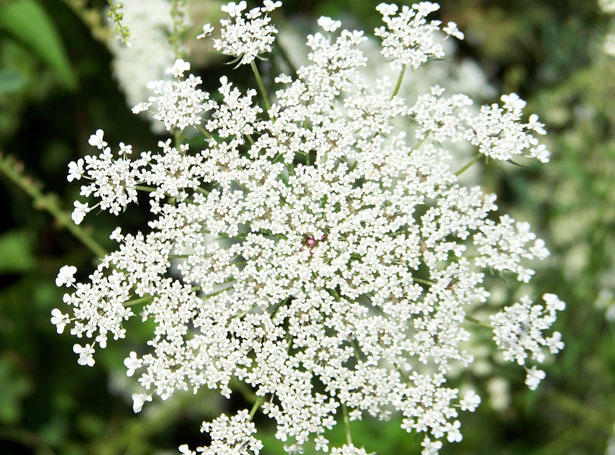
Of course, as a young woman, I was all about Anne of Green Gables, both the books and the movies. In fact, I am sure I can thank Montgomery for my affinity for Queen Anne’s lace and spunky redheads.

I still love Montgomery’s heroine, Anne, but I am finding, as an older woman, that there are many more Montgomery treasures to discover and enjoy.

Nearly all of Montgomery’s novels are set in the picturesque Prince Edward Island province of Canada and have strong female characters.

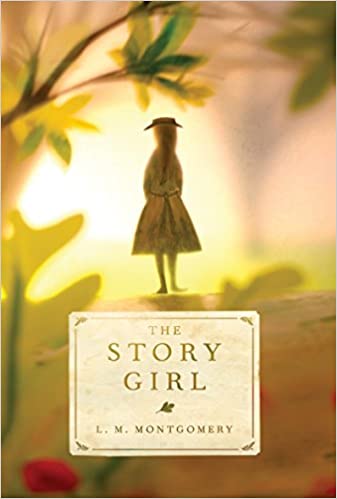
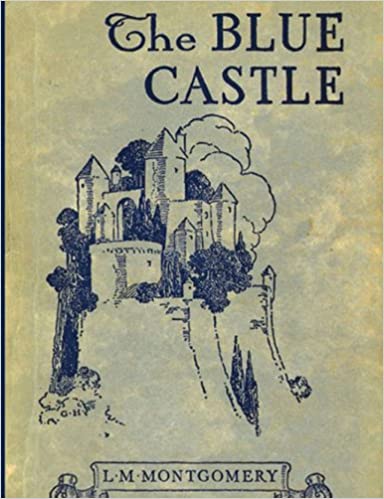
My sisters’ virtual book group, Shelf Sisters, read The Blue Castle, in March 2019. Now Shelf Sisters just read her book, The Story Girl.

The Story Girl chronicles the adventures (and misadventures) of a group of cousins and their friends in – you guessed it – rural Prince Edward Island. One of the cousins has a particular talent for telling stories that captivate her listeners, old and young. The novel is about family, but you might also find something interesting between the lines about faith, fear, love, gender roles, and more.

Though written for a young audience, if you are feeling in the mood for charming, clean, clear writing with a touch of nostalgia, The Story Girl will not disappoint even an adult reader. I certainly do not mind being transported back to a simpler time when I did not have so many adult concerns and responsibilities.

There is such a place as fairyland – but only children can find the way to it. And they do not know that it is fairyland until they have grown so old that they forget the way.

Only a few, who remain children at heart, can ever find that fair lost path again; and blessed are they above mortals. They, and only they, can bring us tidings from that dear country where we once sojourned and from which we must evermore be exiles. The world calls them its singers and poets and artists and story-tellers; but they are just people who have never forgotten the way to fairyland.”

L. M. Montgomery, The Story girl, page 145

What’s the ‘dil?

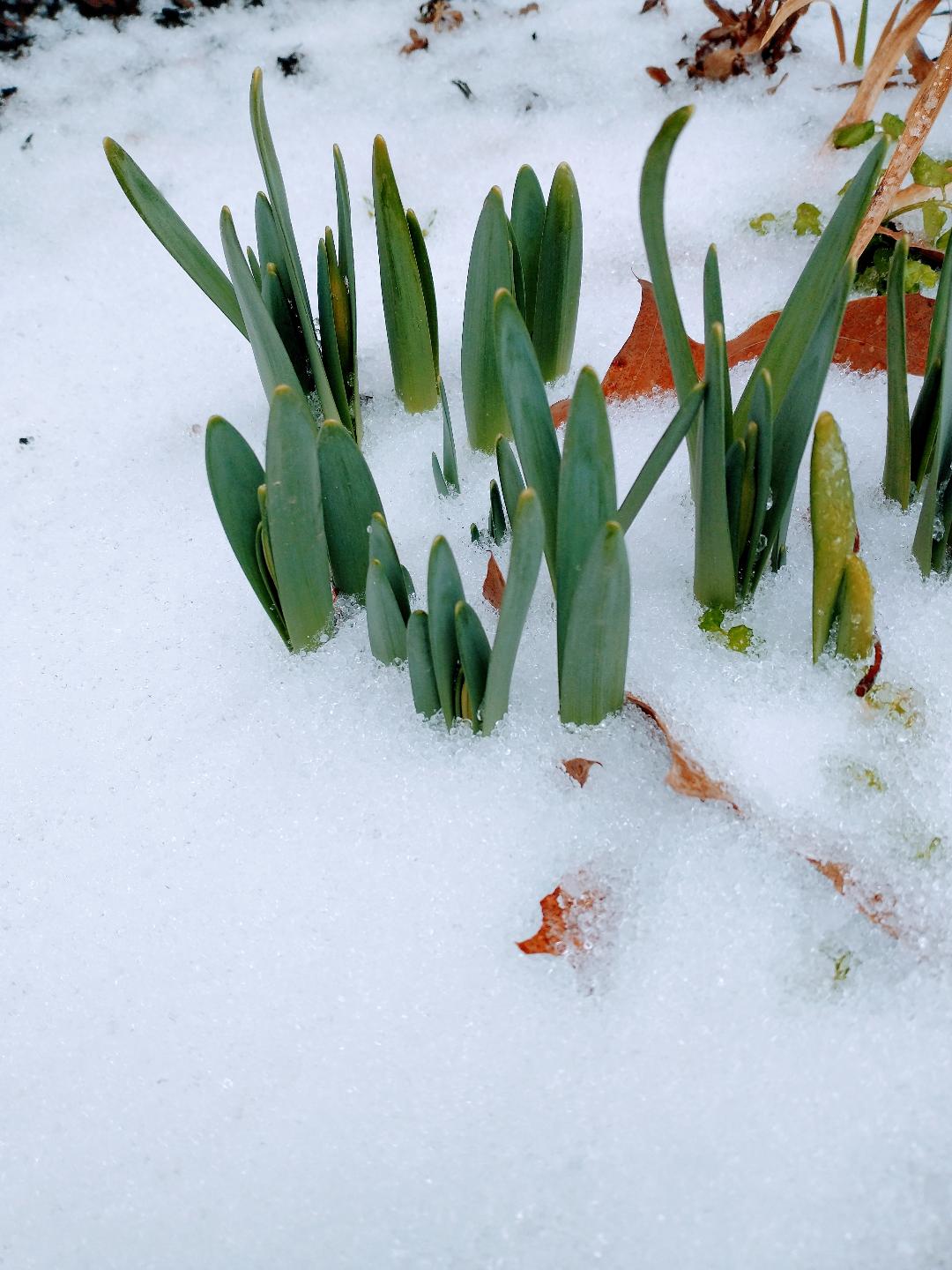
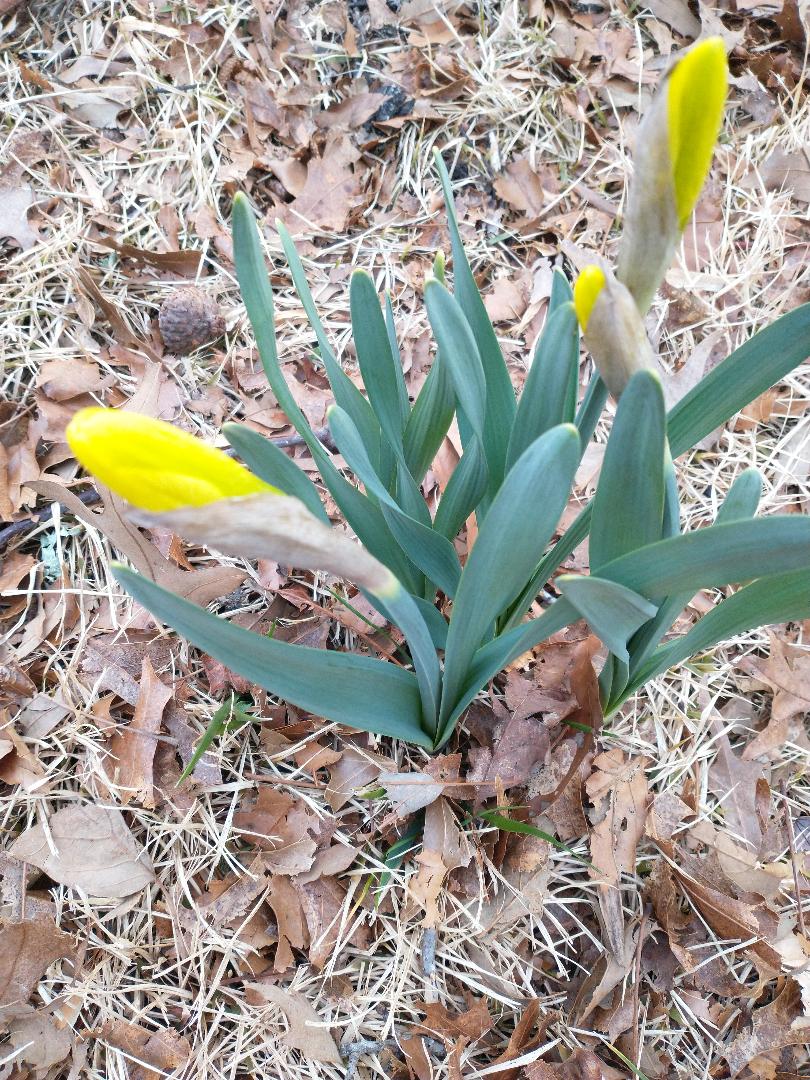
As much as I enjoy Punxsutawney Phil’s cute, cuddly weather predictions on Groundhog Day, I look to the lovely and even legendary daffodil for an accurate forecast that spring has arrived.

Legendary? Oh yes. I recently read that the daffodil (aka Narcissus) derives its name from Greek mythology. Narcissus, son of Cephissus the river god, fell in love with his own reflection! Guess what happened to him?

Daffodils, both the flower and the legends surrounding them, can be found all over the world, from China to the Middle East to France. They are also the national flower of Wales.

Lovely? I think so! These perennial beauties are as bright as the sunshine and shaped like bells or trumpets. They bring instant cheer to the yard or flower bed.

Perhaps the loveliest thing about daffodils is how simple they are.

Though they do best in an area with well-drained soil, they are generally hardy. Plant bulbs in autumn and then enjoy blossoms in the spring and into the summer. When the blossoms die, snip them off and leave the green stems and leaves. The foliage continues to give strength to the bulb. Once the foliage turns yellow or brown, trim those back. Easy, right?

Another perk is – if you live in an area where deer think your yard is an all-you-can-eat buffet – deer will leave your daffodils alone. Hooray!

However, the deer leave the daffodils alone because they know they are poisonous, especially if eaten in all-you-can-eat buffet quantities! Seriously, they can be dangerous if ingested by humans or animals.

They can also cause some contact dermatitis. So, while working with your daffodils (taking cuttings for an arrangement, trimming blossoms or foliage, etc.) wear a pair of gardening gloves.

Lighthouses and Fog

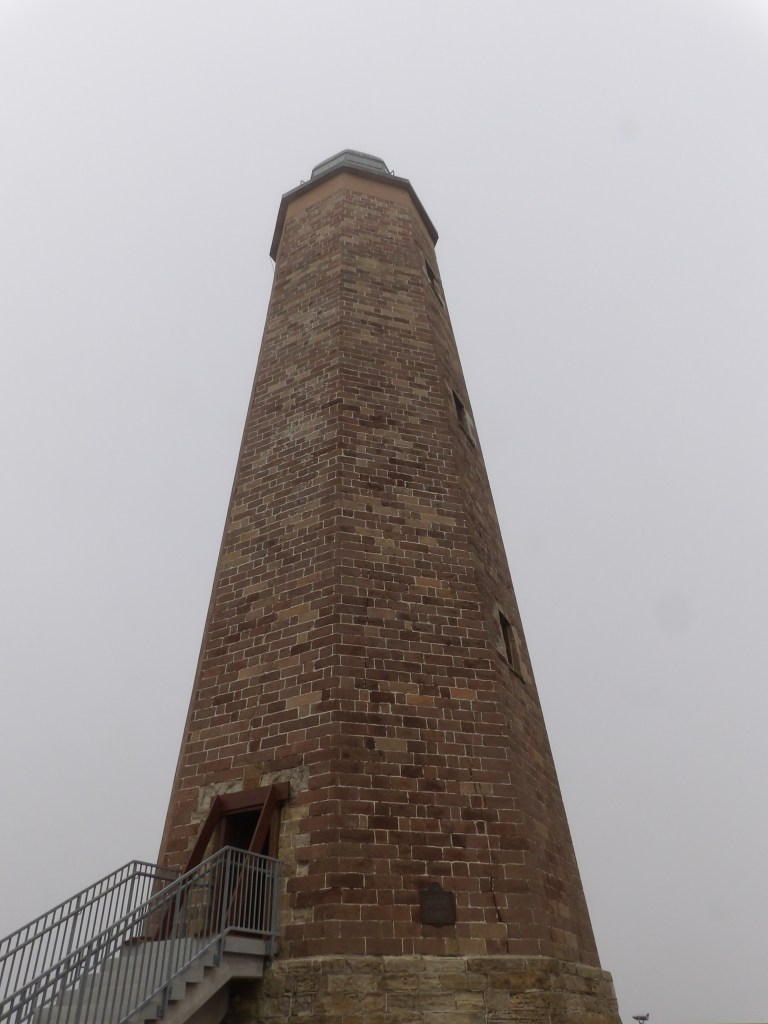
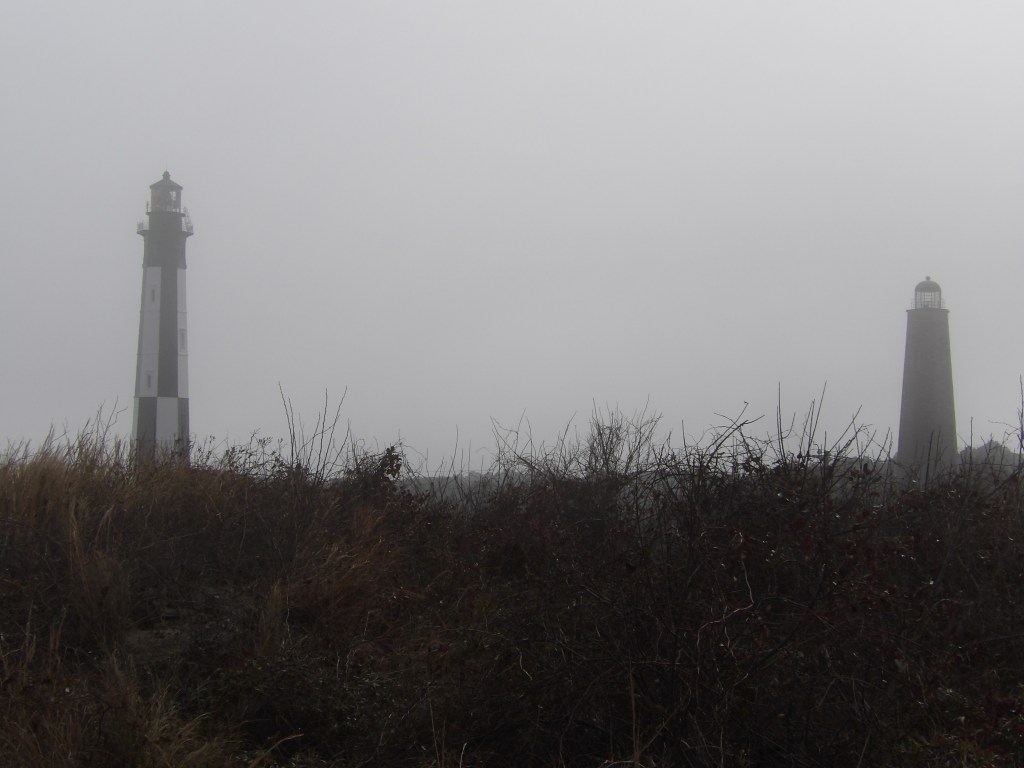
In February my husband and I visited the Cape Henry Lighthouse in Fort Story, Virginia.

I love lighthouses. I love the architecture, the history, and all that a lighthouse symbolizes. Lighthouses are literal and figurative beacons of light, offering guidance, safety, and hope.

I am also fascinated by the individuals who keep the light shining: the lighthouse keepers. Historically, the lighthouse keeper led a solitary life with a solemn dedication to duty. They were as reliable as the light. They were the light!

Strength of character and of body must have been required for the position. Day after day, step after step after step (you can count on lighthouses having steps!) the light was kept shining bright.

On the day we visited the Cape Henry Lighthouse, the skies were a heavy, dreary gray. Our guide apologized, “I’m sorry for all the fog.” I had to laugh. Not only could I not hold our guide responsible for the weather, but I could not begrudge seeing a lighthouse in one of the elements for which it was designed.

The fog had its own natural beauty. The fog and the lighthouse complimented each other – emphasized each other’s strengths. It was all very poetic. (Enough so to write about it in a blog anyway.)

I was glad to be there in the fog. It was a reminder that fog happens, but it is nothing to apologize for or agonize over.

Just know that somewhere in the fog there is someone or something standing strong, ready to help you. So do not be discouraged. Look for the light. And maybe sometimes, be the light or the lightkeeper for someone else.

Got Sunshine?

There are still no winter blues around my house; only cheerful red, pink, purple and now white blooms. You really can enjoy flowers all year long. I promise!

All you need is a sunny window.

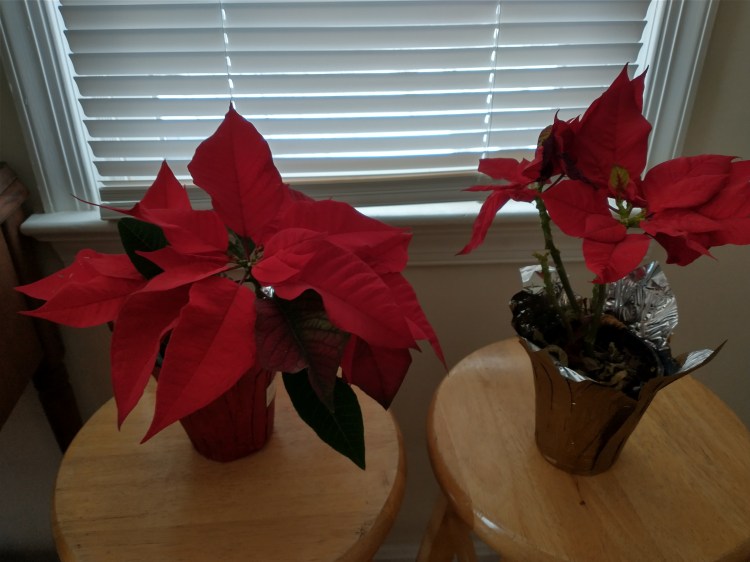
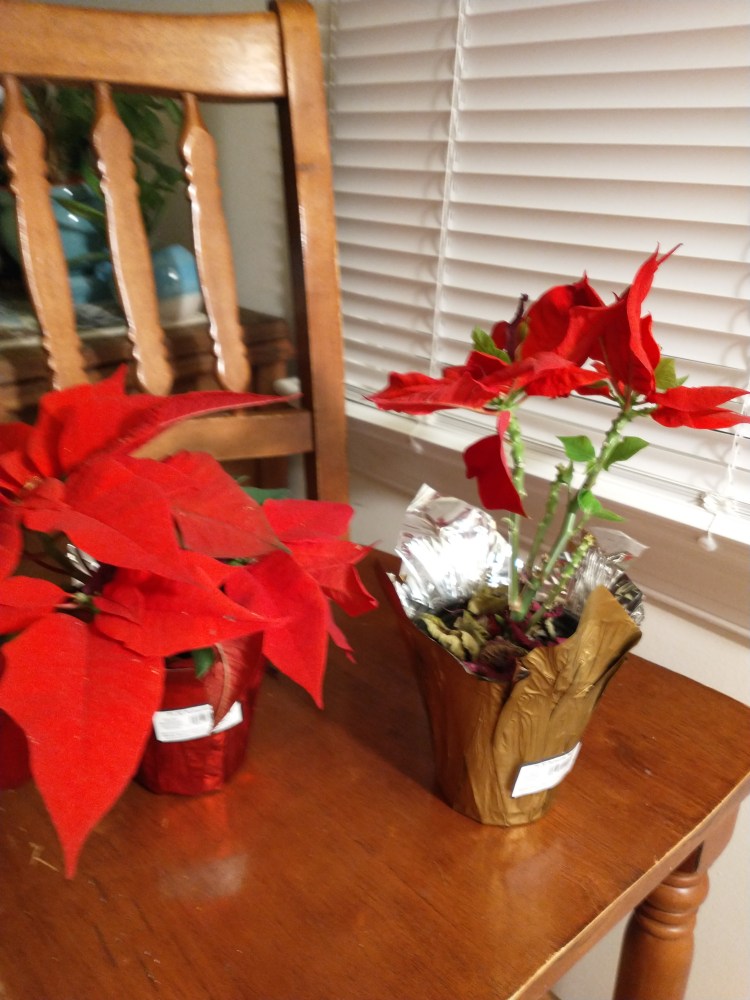
How are your poinsettias doing? Are you still enjoying your holiday blooms? Check out my little poinsettias: Red (in the red foil on the left) and Goldie (in the gold foil on the right).

I bought these small 1 Pt. plants in early December. They are still doing well as we approach February.

Notice a difference between the two? Guess which one was by a window and which one was sitting in a poorly lit corner? (If you guessed Red was by the window, that’s correct!)

Both were watered the same amount, on the same day. What’s the difference? Sunshine!

I moved Goldie next to Red in the window and after just one week, look at those baby leaves!

Stay tuned. I’ll keep you posted on how Goldie and Red are doing.

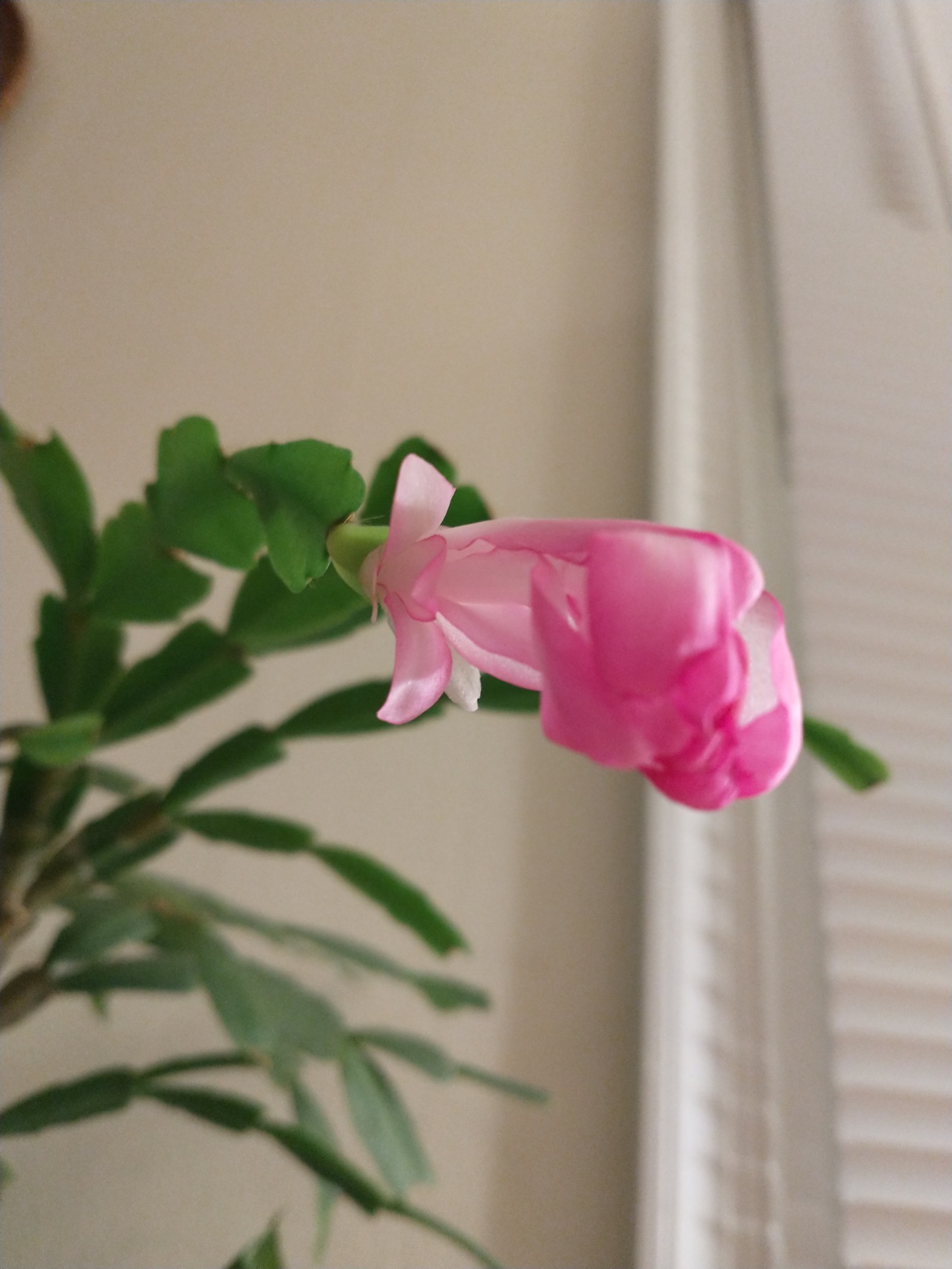
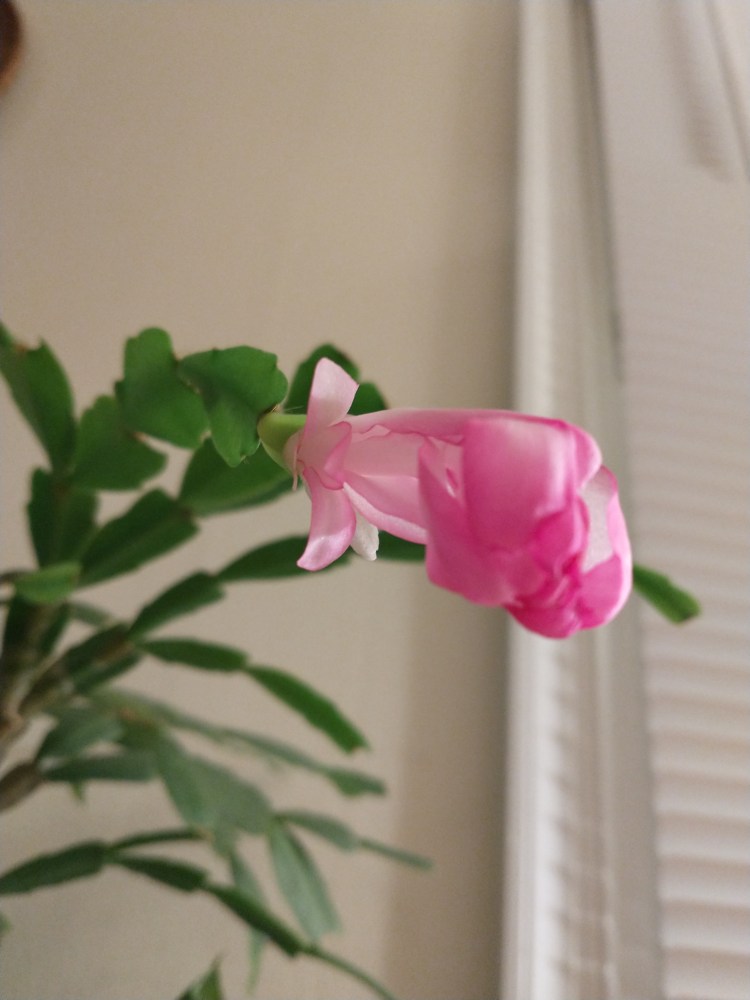
Who else likes the sun? My young Christmas cactus gave me two pink blossoms in early January. My Christmas cactus is near the window but does not prefer direct sunlight. Bright, indirect light is her favorite. My Christmas Cactus and I still are getting to know each other. As I learn how to encourage more blooms, I will pass that on to you.

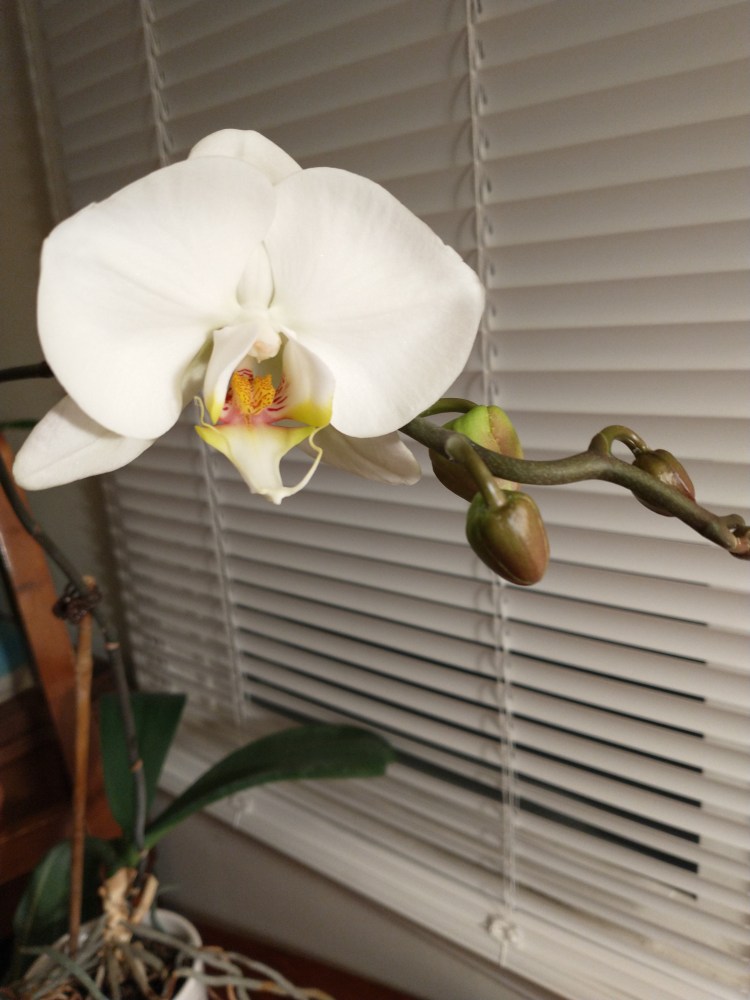
Finally, not to be forgotten, one of my moth orchids just began putting on beautiful white blossoms.

I suppose she was not to be outdone by the latest addition to the family – a Christmas gift from a friend – who is showing off a multitude of miniature “snow cherry” blossoms.

May your winter be bright, colorful, and cheerful!

Rockin’ Egg

My daughter recently told her four- and two-year-old, “last one in is a rotten egg.” Her four-year-old then replied with enthusiasm, “I want to be a rockin’ egg!”

I had a great laugh at my granddaughter’s misunderstanding. I tried to envision her vision of a “rockin’ egg”. Was it an egg rocking in a rocking chair, perhaps dancing, or jamming out on an electric guitar?

Whatever her vision, she inspired me. What a great attitude!

To be able to turn a potentially smelly and rotten situation into something fun is a talent worth developing! Maybe even worthy of a New Year’s goal? (I cannot find the resolve to use the word resolution!)😉

Another recent experience reinforced for me the amazing power of positivity.

2022 began with a snowstorm slamming the area where I live. We went five days without electricity, internet, and flushing toilets (gotta love those modern conveniences). After the first few days, my husband and I dug out of our driveway and ventured out to find open stores to replenish our water and food supplies.

While waiting in a slow-moving, 20+ people deep check-out line, for over an hour, I observed shopper after shopper show kindness and patience to fellow shoppers. It was surreal – like a lost episode of The Twilight Zone.

Still, when I finally got up to the register, I expected to be greeted by an exhausted, less than pleasant employee. Instead, I was greeted with, “You made it! You doing okay? You find everything you need?”

I have no idea how long this cheerful angel of shopping mercy had been there or would continue to stand there helping tired, desperate customers. I do know that her unexpected, simple words melted away days of frustration. I thanked her for her kindness. I thanked her for showing up for work that day. I thanked her for finding the energy to keep going. She laughed and brushed off my gratitude with, “Oh, it’s no big deal. We are all in this together.”

Yes! It’s so true. We are all in this together. So, let’s take those smelly, rotten moments, frustrations, injustices, or misfortunes that come our way, reach down deep, and find a way to rock on!

What’s the point? Poinsettias.

Does your winter décor include a beautiful, bright poinsettia?

Certainly, the poinsettia stands out with its green leaves and cheery flowers in varieties of pink, white and red. Whether part of your holiday traditions or just a way to chase away winter blues, the poinsettia has a history as colorful as its flora.

The poinsettia is native to Central America and Mexico. The plant became popular in the United States after being introduced by Joel Roberts Poinsett who was the first United States Minister to Mexico. Thus, the poinsettia is named after Poinsett.

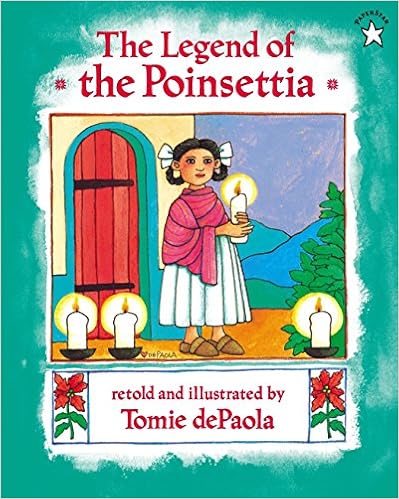
Poinsettias are also the subject of several myths and legends. My favorite legend is retold by beloved children’s writer and illustrator, Tomie dePaola, in The Legend of the Poinsettia (Don’t worry: no spoilers here. Check it out at your nearest library or favorite book store).

One common myth about the poinsettia plant is it is highly poisonous. However, several sources including the National Capital Poison Center website (https://www.poison.org/articles/poinsettias) explain that, “Poinsettia can be irritating but it is not fatal if eaten. If children and pets eat it, they can develop a mouth rash and stomach upset. The sap can cause a skin rash, too.”

If you want to know how to properly care for your poinsettia and keep it growing and blooming much longer than the holidays, I found a great book that can help: Amaryllis, Paperwhites and Poinsettias: Growing, Propagating and Reblooming Your Holiday Plants by Miranda Hopkins. Hopkins’ book is simply organized and easy to follow for even the novice plant lover.

So, what’s the point? The point is that I hope you will continue to find joy in your holidays as well as your holiday plants – now and into the New Year. Cheers!

Frosted Tomatoes

In Virginia, it is feeling like winter. We have already had our first frost. This means that the few tomato plants that were hanging on are done and it is time to put the garden to bed for winter.

So, what do you do with the green tomatoes still clinging to your plants when the temperatures drop and Jack Frost threatens to make his seasonal debut? Pick them!

Green tomatoes will ripen for you inside. Granted, they will not taste as mouth-watering as your vine-ripened summer beauties, but they can still be enjoyed.

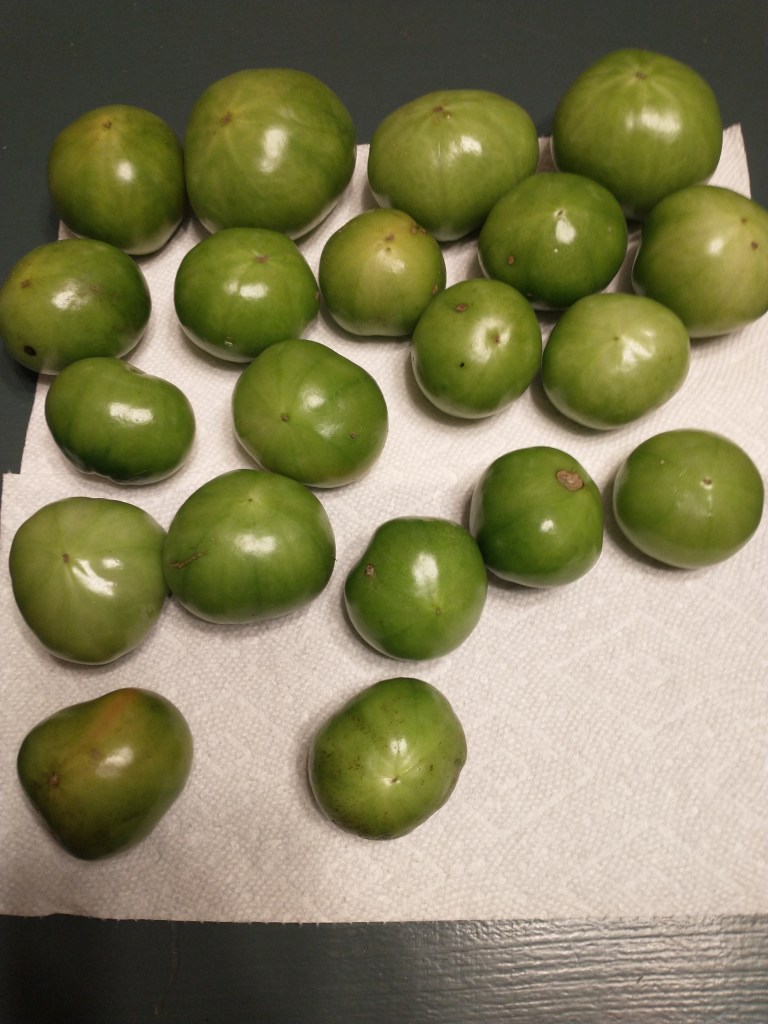
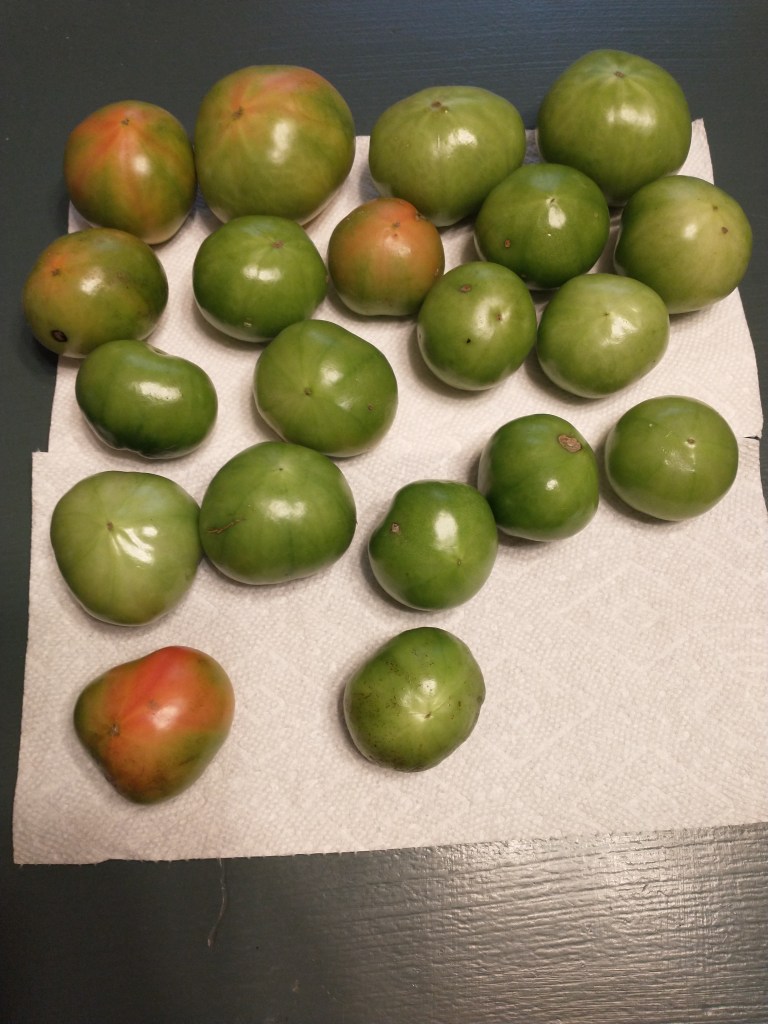
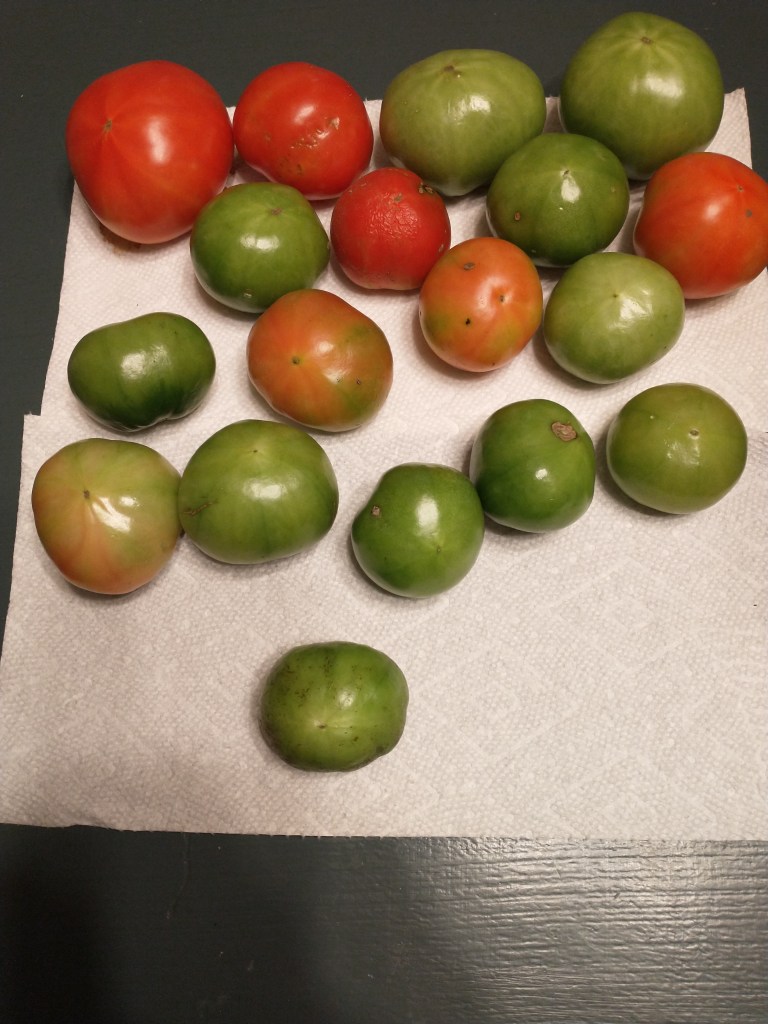
Here are some pictures of my final pick.

Day 1
Day 3
Day 5
Day 7


Hint: Place your green tomatoes stem side down to ripen on a paper towel.

If you do not want to wait for them to ripen, you could try fried green tomatoes or green tomato relish.

Whatever you decide to do, I hope you will enjoy your winter harvest.

Thank The Trees!

I believe sometimes we confuse positivity with cheerfulness. While the two are complementary, you can be positive without necessarily being cheerful.

Optimistic, hopeful, and confident are other positive synonyms. Let’s face it, though; some challenges that come to us in life are just no fun and being cheerful all the time seems impossible.

Can I still be positive as I navigate a rough patch in the road when I am REALLY not happy about it and DO NOT feel confident in my navigation abilities? (Positive answer: YES!)

So, what helps me cultivate a positive attitude? Gratitude!

I’ll share a simple and fall-themed example:

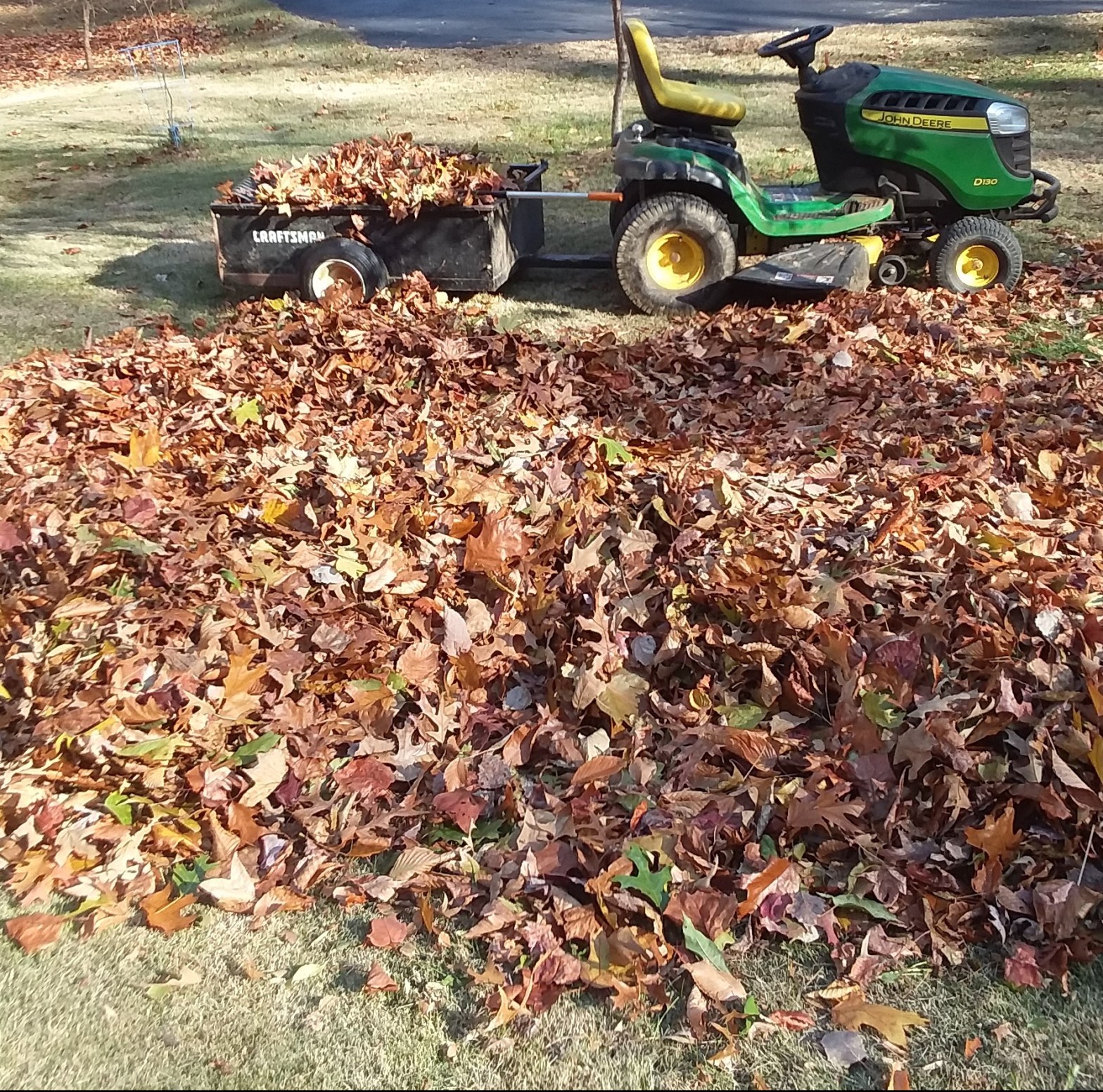
 As a young teen, I was given the task of raking the leaves in my grandmother’s yard. I am sure it was obvious that I was not cheerful about the assignment because my grandmother came out to help me.

I expressed that it was a tedious job that could be remedied by having fewer trees in the yard.

My grandmother matter-of-factly explained that trees provide many lovely benefits such as shade, beauty, a refuge for wildlife, and so on. She went on to say that for her – raking the leaves was an expression of gratitude to the tree. She was not bursting into song or dancing for joy in the leaves. She simply raked the leaves.

So, when I am out raking leaves in my yard this fall, I think of my grandmother. Raking is still not my favorite task. However, I do not complain. I just rake the leaves and thank the trees!

P.S. If you do enjoy raking leaves and find yourself dancing and jumping in them or bursting into a cheery song, it’s okay. YOU ARE AWESOME!  

Stay Positive!

Books and Sisters

I was very young when I first discovered the power of the written word to transport me to new places (both real and imagined), to stir powerful emotions in my soul, or to challenge my thinking. 

More recently, I discovered the power of the written word in bringing people together

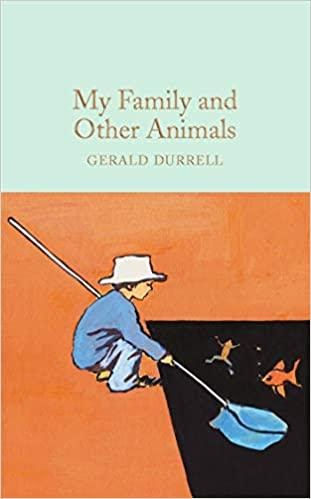
My sisters and I started our own virtual book group, Shelf Sisters, in 2019. It all started with a little book called, My Family and Other Animals, written by Gerald Durrell

It was completely appropriate that our first book would be the humorous memoirs of a perfectly quirky family. It felt as if the book gave us permission to laugh at our own individual eccentricities and collective family oddities. 

I recommend reading the My Family and Other Animals, first for the simple pleasure and clever quips, then read it again – and maybe again – to discover deeper insights into family dynamics and human nature.

Our little book group consists of four sisters scattered all over the United States. Our thoughts and interests also seem scattered when you look at the list of books and genres we’ve chosen in turn.

We have read everything from biographies to mysteries, poetry, juvenile fiction, and even business non-fiction. We have laughed and cried and disagreed. 

No matter what we read, the most important and wonderful part is that we come together. Distance and time disappear. We are just books and sisters.